
|
|
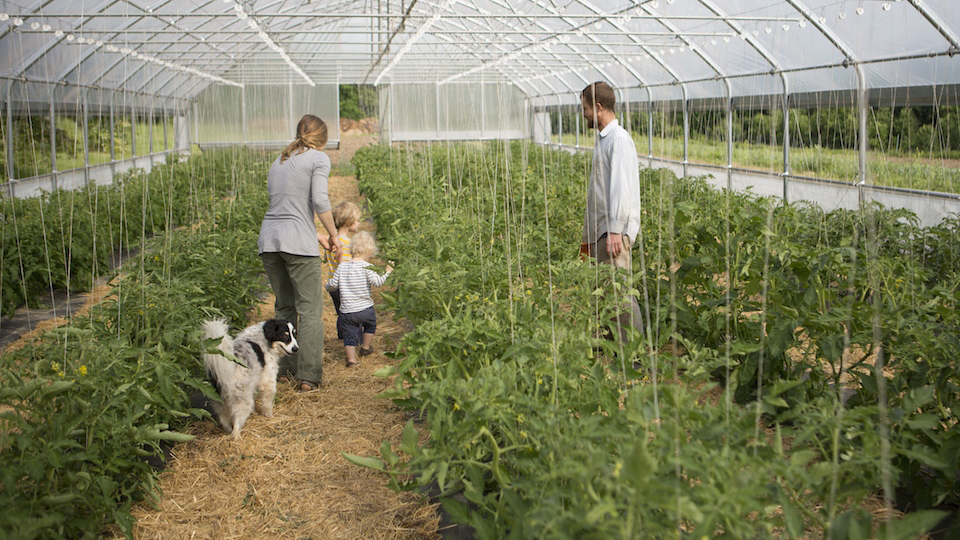
Our Waiting List is Open! We are sold out for 2010. We thank our new and returning members for their support, and look forward to a productive, flavorful and fun growing season. If you are not presently a member of Anchor Run CSA, click here to sign up for our waiting list for the 2011 growing season. Direct from Mother Nature, and our diligent preparations, comes fresh farm bounty for Anchor Run CSA members to enjoy... Anchor Run CSA is located on Anchor Run Farm, a preserve owned by Wrightstown Township, Bucks County, Pennsylvania, USA. Farmers Derek McGeehan and Dana Hunting grow produce organically, without synthetic fertilizers, pesticides, herbicides, or genetically modified organisms. Members receive a portion of our farm bounty each week, picked and washed just hours before pick-up. You are encouraged to learn more about us by exploring this website. |
 News Items 7-25-10 Notes From The Field My Eyes Are Watering (From the Onions) Posted by: Derek McGeehan
The onions are out of the ground. We haven't officially tallied the weight, but we estimate we harvested 2,000 pounds or so. Many thanks to the members who came out during the heat of the afternoon on Friday to help with the harvest. Starting this coming week we'll begin giving out mild, fresh, uncured onions. A few weeks from now, after the remaining onions cure, we'll begin giving out the hard, storage varieties. In total, we seeded 4 varieties of onions, one fresh and 3 storage. One of the storage varieties is red, while the others are yellow. The onions were seeded the last week of February and were transplanted in the middle of April. They take a while to become established and need to be kept weed free during the young part of their lives. Onions can be quickly and easily overcome by weeds, affecting the final harvest. Fortunately, most of our onions reached a good size this year. August is almost here which means we're really breaking away from the greens of spring and early summer. Over the next few weeks we plan to continue to give out kale, chard, collards, lettuce, and dandelion greens, but we won't be harvesting additional greens until it begins to cool off a bit. Flea beatles, harlequin bugs, and cabbage loopers are happily eating kale and collards right now, so don't be too surprised to see holes or discoloration in some of the leaves. As organic farmers, we're willing to compromise appearance slightly instead of spraying our food with chemicals. Lettuce is still coming in, but is definitely affected by the heat and variations in precipitation. Chard has been doing well, but slows down during this time of year; it enjoys spring and fall the most. Dandelion greens have basically no pests, grow fast, outcompete weeds, and seem to thrive no matter what. The trick is convincing everyone to enjoy them! I've heard a tomato and dandelion salad is very good. Speaking of tomatoes, we'll be giving out plenty over the next few weeks. Cherry tomatoes are really coming in now (2-3 quarts this week) and the other field tomatoes are approaching their peak. This past Thursday we harvested almost a 1,000 pounds in 2 hours. It'll be exciting to see what they'll peak at. Enjoy this year's bounty! 7-25-10 Expected Harvest How Many Quarts of Edamame? Posted by: Derek McGeehan
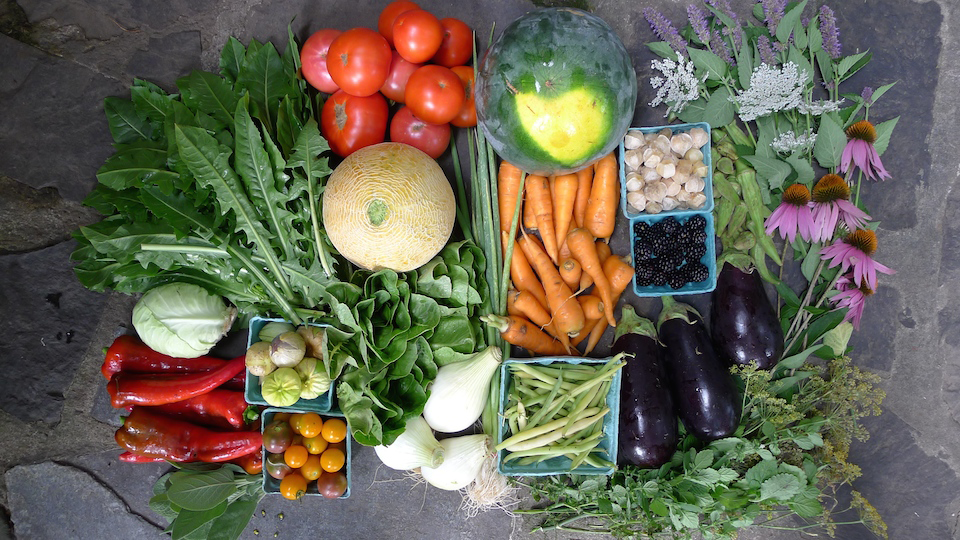
This week we expect to harvest kale, beets, collards, chard, Italian dandelion, lettuce, eggplant, green peppers, hot peppers, tomatoes, scallions, celery, green/fresh onions, cucumbers, summer squash, potatoes, and carrots. Some items may be a choice. U-pick items will probably include cherry tomatoes, edamame, okra, a large flower bouquet, basil, dill, cilantro, and other herbs. Half shares, this is Week B. 7-25-10 More About Fresh Onions and Beets Posted by: Linda Dansbury
Fresh onions? As Derek says in Notes from the Field, fresh onions are simply onions that have just been dug from the field and so the outer protective layers have not had a chance to dry or cure. For this reason, fresh onions are more tender and must be stored in the refrigerator and used within a couple of weeks of harvest. Use them in recipes exactly like you would use onions that have been cured. I hope you tried the grated beet recipes that I talked about last week. We made 2 of them in my house: the Beet Chocolate Cake and the Fusilli with Beets, Balsamic and Mint; they were both so good! The chocolate cake comes out so moist and rich. When I made the pasta dish, I used a combination of mint and tarragon and used toasted pine nuts sprinkled on the top. I highly recommend both recipes. 7-25-10 Tomatoes—Please don't Heat or Chill! Posted by: Linda Dansbury
Tomatoes are the star during the summer season and this year is starting out great. When your table is slammed with 10 pounds in a week, do you know what to do? First, don't panic! If at all possible, do NOT place the tomatoes in the fridge. It just kills the flavor. Keep them on the counter (and don't pile them up; they are ripe and fragile). Enjoy them as soon as you can! As hot as it has been, I am favoring no-cook methods of preparing the tomatoes—this also highlights the delicious and distinct flavors of the different heirloom varieties. Bruschetta, tomato salads, and no-cook sauces are great ways to go. In the coming weeks, I will provide details, but this week, please refer to the pasta recipe I added last week, the spaghetti with uncooked tomato sauce, which is easy to search for on this site, and a new Gazpacho recipe. I have tried many recipes for gazpacho over the years, and I think this one is the easiest and tastiest. Using an immersion/hand blender cuts way back on time and clean-up; if you don't already have one, think about getting one. They are inexpensive, and you will find yourself using it all year long for soups, sauces, smoothies, and other recipes. Enjoy the harvest. 7-25-10 A "Hot" Welcome to Edamame Posted by: Linda Dansbury
One of the most welcomed vegetables of the season is always the edamame (young green soybeans). Edamame is in the same family as peas and string beans. Like most beans, they can take on many flavors and are compatible with fish, meat, and many other vegetables. Please take some time to peruse the recipe section to see how flexible this popular vegetable really is. The best way to start is with the basic preparation. Rinse any dirt off the pods while you boil about 6 quarts of water. Put A LOT of salt into the boiling water (I use kosher salt) and then boil the edamame pods for 7-9 minutes, depending on the size of the beans. Start checking them at 6 minutes. They are done when the beans inside are just tender, but not mushy. If you want to make sure they don't overcook, have an ice water bath ready to plunge the pods into to stop the cooking process. Place the pods in a serving bowl and sprinkle with more salt if desired. Edamame are typically served as a finger food and are great fun to eat. Simply pull the pod through your teeth or squeeze the pods with your fingers and the beans will pop right out of their shell. (Kids love this way of eating!) Check out Veggies 202 for even more information. 7-25-10 Take Time to Enjoy the U-Pick Fields Posted by: Linda Dansbury
Fellow members, this is the time of year in which U-pick has become a large part of your share, so you have to plan for it. You will need about an hour per week for at least the next few weeks to be able to pick everything that is available to you: the green beans, edamame, cherry tomatoes, okra, herbs, and flowers that are a part of your harvest and are such welcome additions to your table. There are lots of ways to do it—come to the farm a little earlier on your pick-up day, plan to stay late, think about doing the barn pick up on one day and the u-pick on another day, or even break up the u-pick time into a couple of visits. However you plan to collect all of the harvest you and your family and friends are entitled to, be sure to take the time to enjoy the scenery and the camaraderie of other members. Bring your comfy shoes, hat, bags, and scissors so that you have everything you need, and enjoy your time in our fields.  Events None at this time.
|