
News and Notes | The Anchor Run Blog
Posts Filtered by Month - May 2026 |
Show Recent Posts
May 31, 2026
New Additions Here and on their Way
by Linda Dansbury
New Additions Here and on their Way
by Linda Dansbury
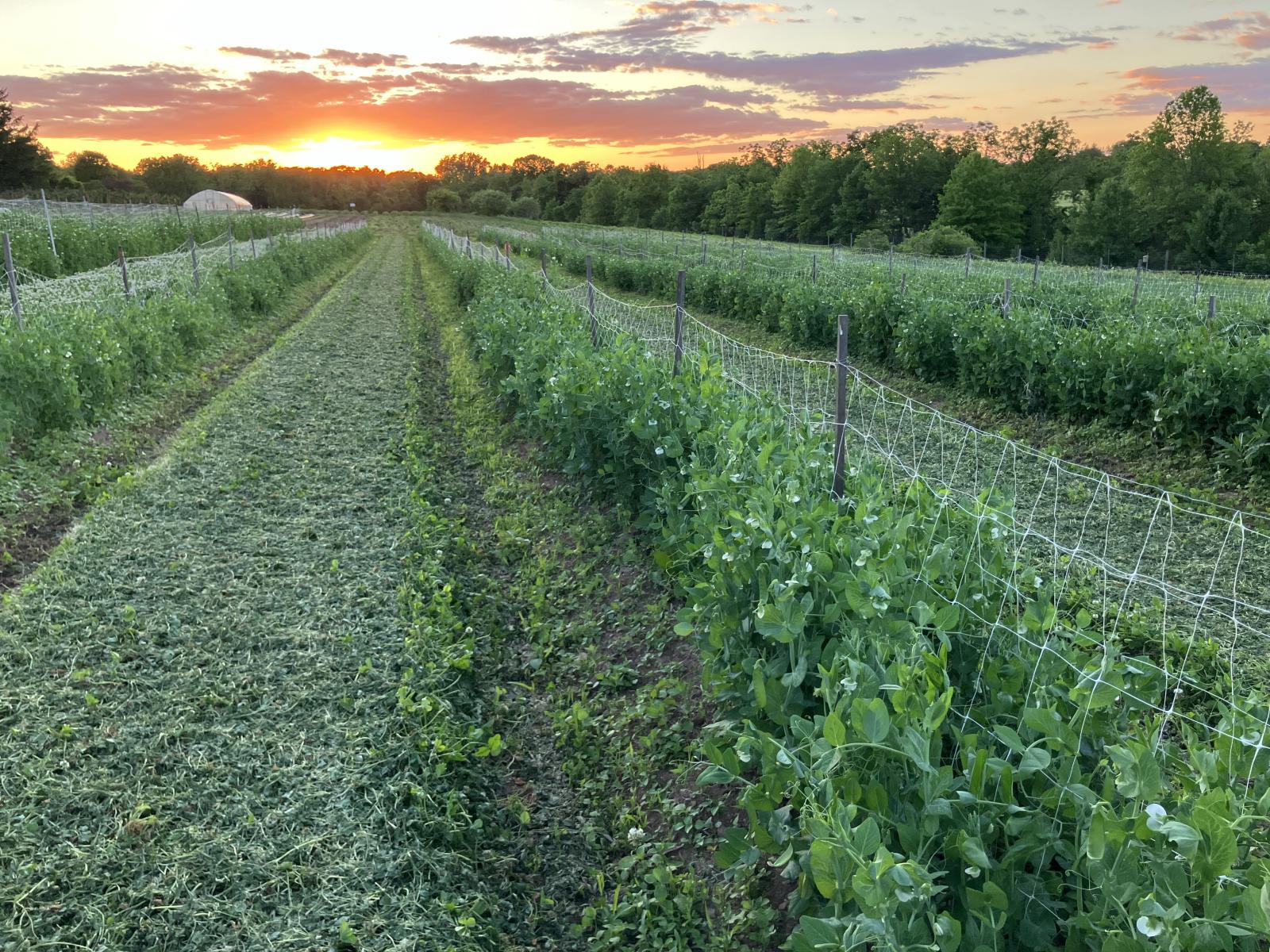
Sunset peas.
As the days lengthen and the temperatures become reliably warmer, harvests will change pretty quickly. Here are some new things that will be included in shares in the next couple of weeks.
Strawberries - have started and although everyone knows how they like to enjoy them, here are a few storage tips. Strawberries do not like to be stored wet - they rot very quickly. If you want to wash them, gently rinse them right before eating. Mother Nature dependent, some years we get A LOT of berries and they freeze beautifully for use down the road in smoothies, desserts, etc. Just pinch or cut the leaves off, place the berries on a cookie sheet and freeze. Once frozen, place in a freezer bag or container.
Snow peas - coming soon. Start looking for pods closer to bottom of the plants, and pull gently - use 2 hands so you don't pull on the plant too much. We want to keep the plants healthy for everyone. Again, not much to say except enjoy raw by themselves, in salads, stir fried and steamed. These will cook through in 1-2 minutes - you don't want to wilt them too much for the sweetest flavor.
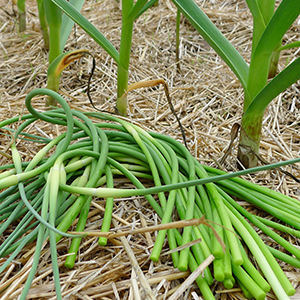
Garlic scapes - simply the flower shoot of the garlic plant. They are removed to make sure the plant uses all its strength in producing cloves, rather than in reproducing. These have a beautiful and mild garlic flavor. When using in cooking, add at the end of the process or the flavor will be cooked out of them. Check out the Garlic Scape Pesto and Garlic Scapes and White Bean Dip recipes on this site. They are both great.
Kohlrabi - one of the oddest looking veggies but yummy and healthy for you. They store well in a plastic bag, but taste best when eaten fresh. It looks like a root veggie, but it actually grows above the ground. Remove the leaves and peel them before eating. Slice and eat raw with dips or hummus, add to salads, grate them and use along with bok choy for cole slaw (an alternative to using cabbage). Cooked, they are delicious stir fried with other veggies such as bok choy, turnips, etc.. Check out the recipes on this site, including Sauteed Kohlrabi and Greens, Kohlrabi Slaw and Kohlrabi Fries.
Romaine - not just for plain Caesar salad! Make it a little different by grilling. Cut the head in half or quarters, depending on size. Brush with olive oil. Place on a medium hot grill and grill just until charred - you don't want to cook it. Depending on how much char you like, grill on a second side. Remove from grill and dress with whatever dressing you like, or just drizzle olive oil, balsamic vinegar, fresh ground pepper, flake salt and a little parm cheese if desired. So good! The leaves are also great to use as a wrap or in place of a taco or tortilla shell. Be creative!
Escarole - is known to be a bit bitter, so some people stay away from it, but I like it. It cooks up really well. I love doing it the traditional Italian way by sauteeing garlic in olive oil, sprinkle the oil with red chili flakes, add chopped escarole, a can of white beans and gently cook until greens are tender. Add salt and pepper to taste. Top with a drizzle of a nice olive oil and parm cheese if desired. This dish can also be made with Italian sausage. I like the dish with crusty bread. Check out the recipe for Sauteed Mixed Greens and 3 Uses for Them for ideas on using these and other greens we receive.
Radicchio - is another veggie that is polarizing. I like it added to salads for color, texture and another flavor element. It is delicious grilled and then served as part of a cheese and charcuterie platter. Try it in the Radicchio and Endive Salad with Miso Dressing - it is quite good and the dressing tones down the bitterness. It looks more complicated than it is to make. Store it in plastic and wrap it in a towel or paper towels to keep it from sitting in water. It stores pretty well.

May 31, 2026
Greens, Greens are Good For You!
by Linda Dansbury
Greens, Greens are Good For You!
by Linda Dansbury
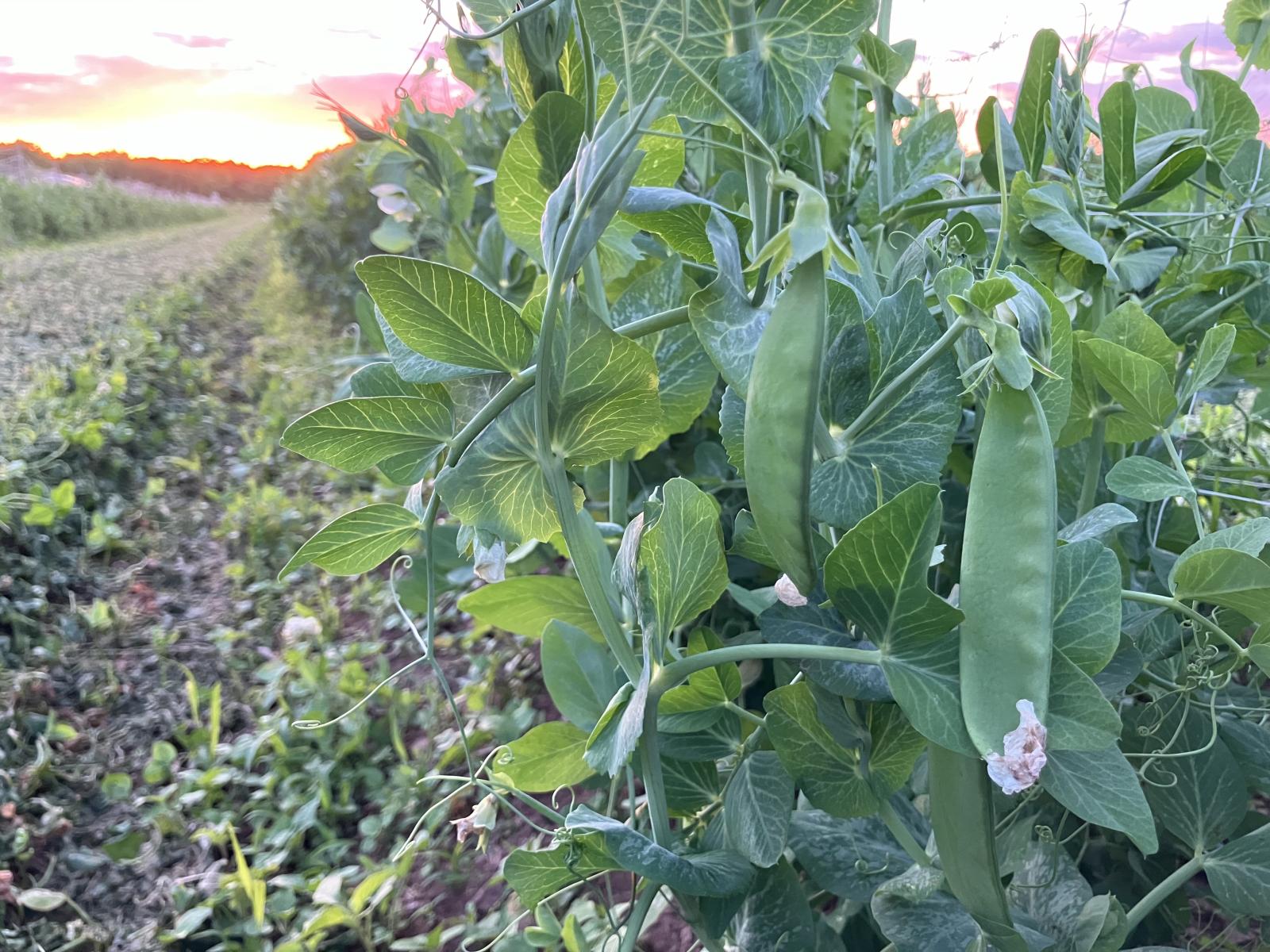
Snow peas.
Hope everyone is enjoying the super fresh bounty of the farm! Spring salads are so delicious. I have been slicing radishes into them and just using salt and pepper and a bit of either white or red wine vinegar and olive oil. So good. Arugula is as I have described: I add a few leaves to the other greens, or make a completely arugula salad and dress it with salt and pepper, fresh squeezed lemon juice and olive oil. It is that simple.
Green garlic, bok choy, turnip roots and tops - We enjoyed a large stir fry of veggies: heated a large pan and added neutral oil. Once hot added chopped green garlic, thinly sliced turnips to the pan and some sliced ginger. Next added chopped bok choy stems. I let this go for a bit until just starting to soften, then added the turnip and bok choy tops and stirred up. Drizzled in some soy sauce (you can use Braggs Aminos if you want to be gluten free). Finished with just a drizzle of sesame oil. Yum!
May 31, 2026
Newcomers Welcome
by Farmer Derek
Newcomers Welcome
by Farmer Derek
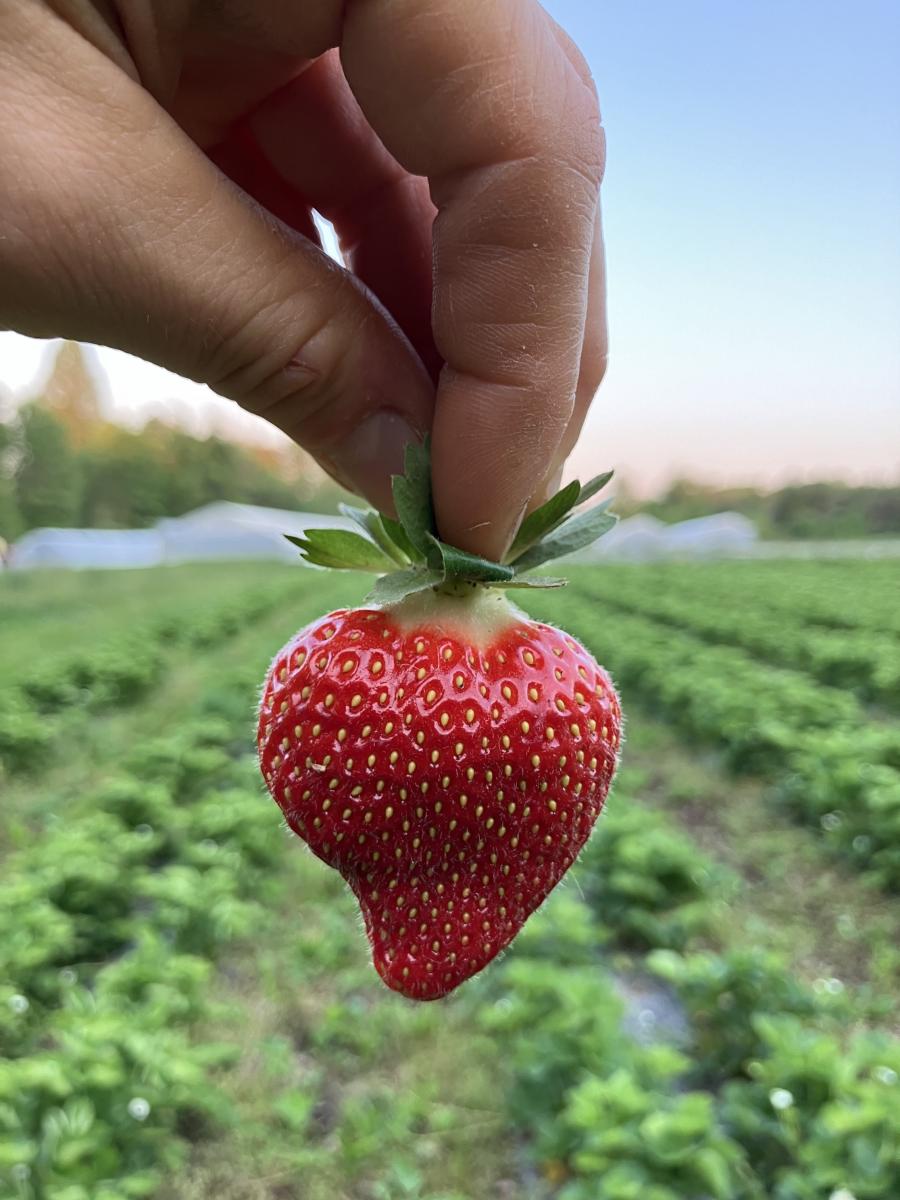
Yum.
Harvest #4 (Week B) should include escarole, romaine, head lettuce, radicchio, lettuce mix, kale, salad radishes, hakurei turnips, bok choy, dill, cilantro, green garlic, komatsuna, and collards. Some items will be a choice.
U-pick should include strawberries, snow peas, and labeled herbs like sage, garlic chives, oregano, catnip, lemon balm, mint, parsley, and bronze fennel (bring scissors).
FYI we do our best to predict the harvest but we don't always get it 100% right.
Regarding U-pick:
- Check the u-pick board in the hallway for u-pick crops and amounts before picking. Amounts listed are per share per week.
- Only crops listed on the board are available for u-pick.
- U-pick crops and weekly allotments can be harvested any day of the week, 8am–8pm, Monday through Sunday of your pick up week. So if you can’t do your u-pick on your scheduled pick up day, feel free to come back any other day that week.
- BYO scissors for herbs and flowers.- We provide half-pint, pint, and quart u-pick baskets for members to measure and harvest into. Please save these and reuse them as much as possible. If you have some that are still in good shape at the end of the season we'll gladly accept them back.
May 31, 2026
Pleasing Pleasant Conditions
by Farmer Derek
Pleasing Pleasant Conditions
by Farmer Derek
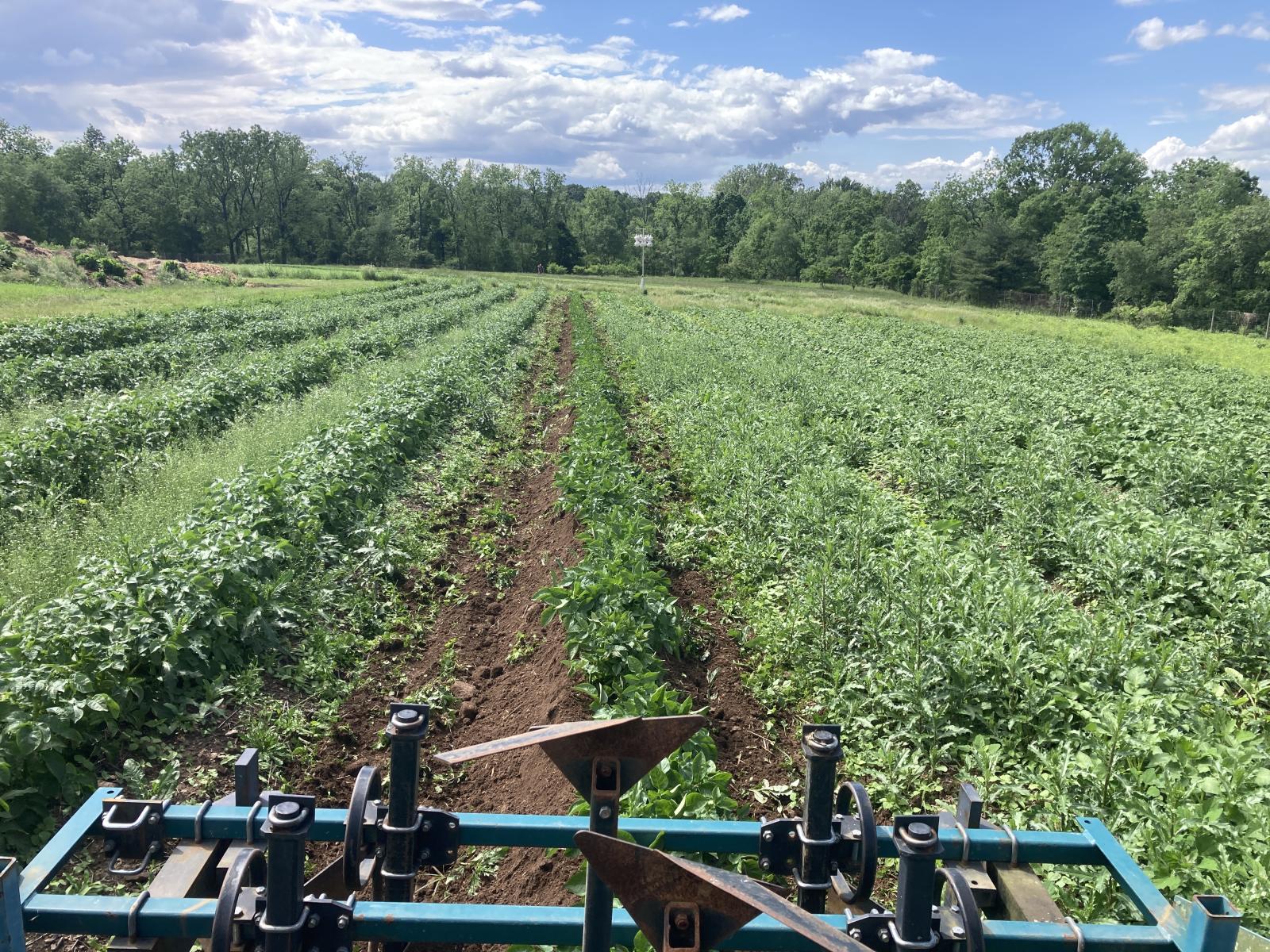
Before the potatoes were hilled. Quite weedy, yes, but see below a major improvement.
Very interesting weather of late. Blast of heat, then 5" of rain and cool moist conditions, a humid warm-up with daily rain showers, then strikingly crisp and windy with night temps bottoming out in low 40s while sponsored by Full Moon.
Now we embark at full speed interacting with exposed soil, prepping for transplants, removing unsavory uninvited weeds by hand and tool. Will we have to add water before the next rain event? Most likely we will to non-bare-ground crops, which are the long-season high value specialists like peppers, eggplant, tomatoes, zucchini, and cucumbers, as well as sensitive currently-fruiting crops like strawberries and peas.
This week 3,000 sweet potato 'slips' will be planted, along with cantaloupe, lettuce, dandelion (chicory), herbs, beans, and edamame. As of now it looks like it should be a perfectly productive week.
May 31, 2026
Workshifts this Week (6/1/26)
by Farmer Derek
Workshifts this Week (6/1/26)
by Farmer Derek
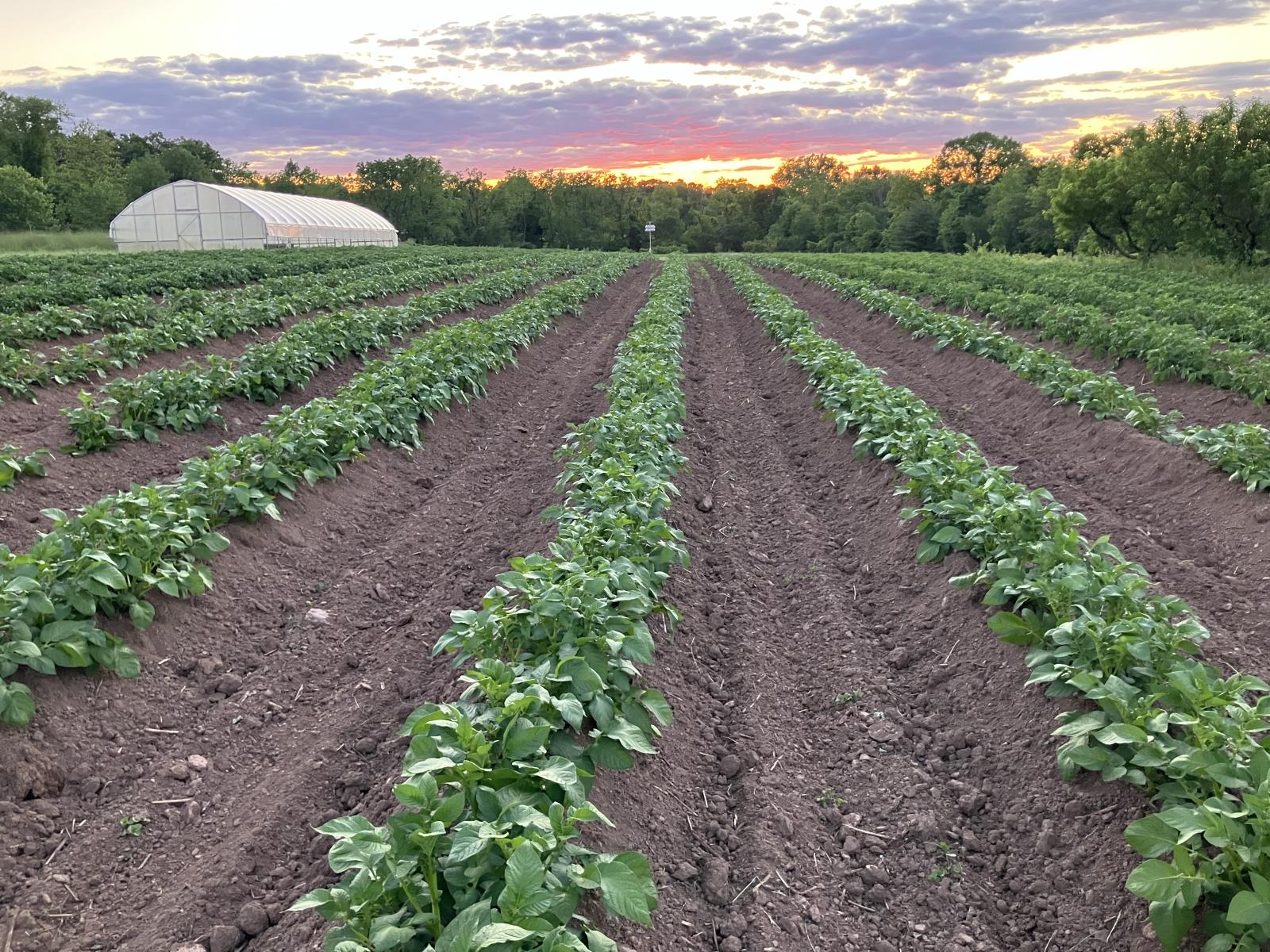
After hilling.
Help us weed the carrots (please)!
This week's workshift schedule:
- Wednesday 6/3 9-11am
- Wednesday 6/3 6-8pm
- Friday 6/5 9-11am
- Sunday 6/7 8-10am
Bring gloves, water, a hat, sturdy shoes, and a pad for kneeling (if necessary for you).
We meet under the large red maple at the end of the barn by the pick up room.
Please be there by the scheduled start time (it might be hard to find us in the fields otherwise).
May 31, 2026
Potluck and Field Tour
by Farmer Dana
Potluck and Field Tour
by Farmer Dana
Join us for a potluck (6pm) and/or field tour (7pm) on Wednesday June 3, officially hosted by Bucks County Foodshed Alliance. For additional information, please follow the link.
May 24, 2026
Greens Galore!
by Linda Dansbury
Greens Galore!
by Linda Dansbury
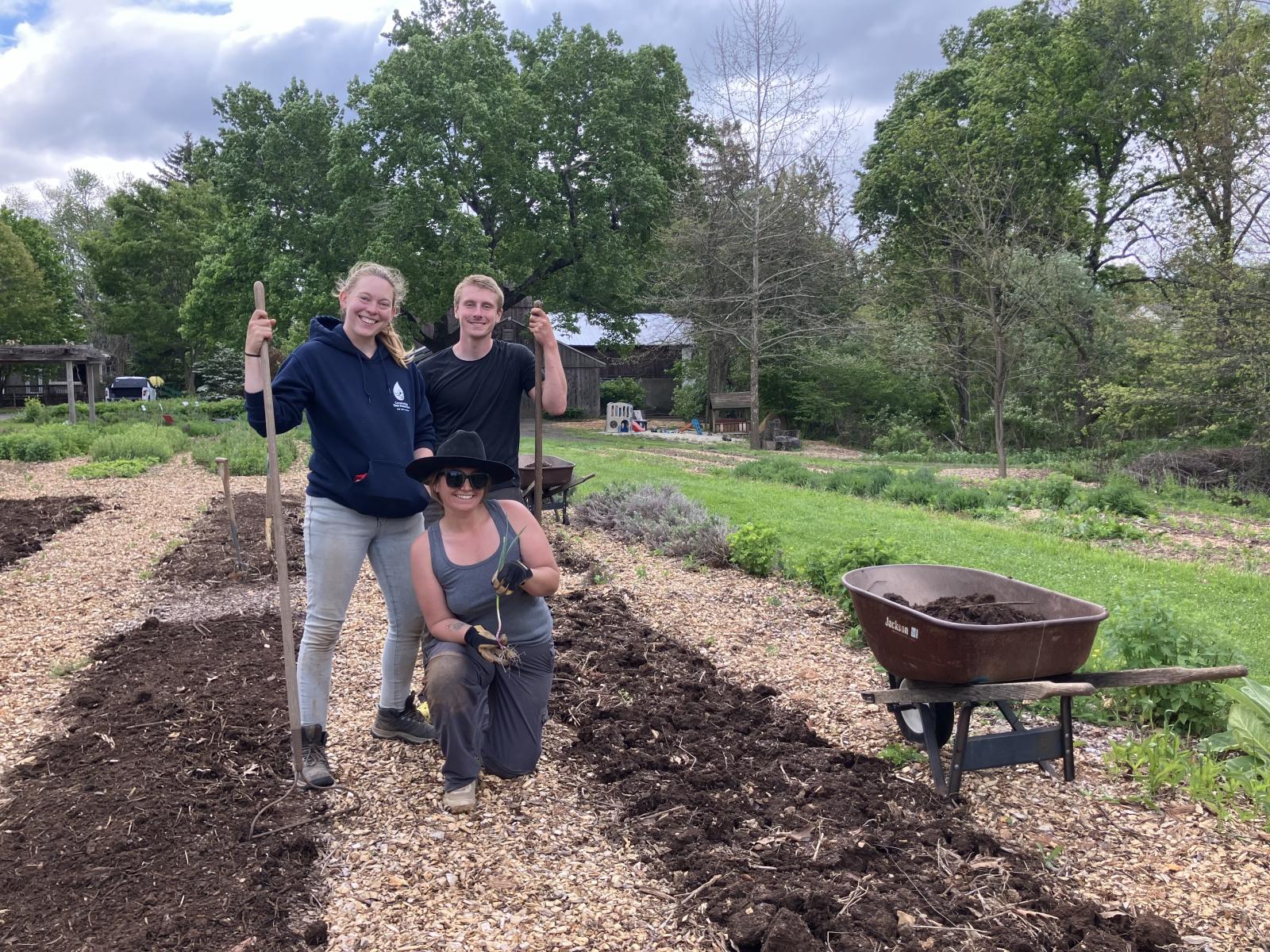
Current 2026 farm crew, Lina, Tara, and Connor preparing beds in the herb garden for cilantro, dill, and basil.
This time of year greens dominate the shares. Below are some ideas on use of some of the specific greens. Use this, and recipes that call for specific greens, as a guide. Many of the greens are interchangeable in recipes. You might need to adjust cooking times if using a sturdy green in place of a more tender one.
As for storage, I like to use large plastic containers, especially for the lettuces. You can wash the greens, place a folded paper towel on the bottom of the container, place lettuce/greens in the container, and store in fridge. Greens keep stored like this for quite awhile. One of the most important things to remember in storing greens is that sitting in water causes them to rot. They are often wet when we pick them up, so when you get them home, wrap the greens in paper towels, or a thin kitchen towel and then place in the plastic bag or container. Over the years, I have been disappointed when I don't take the extra minute to do this step and I find rotting greens in the bag.
Komatsuna and bok choy are both tender greens, cook up quickly and komatsuna can be used in place of bok choy in recipes. Komatsuna is very mild, a bit like spinach, and young leaves can be enjoyed as a salad addition. Same can be said for bok choy. Bok choy's thicker stems allow for a nice crunch in salads and when stir fried. When stir frying or sauteing, I typically put the sliced stems in a minute or 2 before the leaves. Bok choy is one of my favorite veggies. It can be roasted, sauteed/stir fried, used raw in salads and slaws. The stems are good in dips. As stated above, store in plastic in fridge with a paper towel to keep them from sitting in water.
Kale and collards - both in the cabbage family and can be used in many ways. Collards tend to be a bit more bitter and take longer to cook down than kale. To aid in speeding up the cooking time, take the collard leaves and roll up and cut in a chiffonade, then cut in half or thirds across. Collards will store the longest of the greens. Remove the middle tough stems on both before cooking. Traditionally, collard greens are long simmered in a pot with a ham hock or smoked meat but can also be stir fried, sauteed, added to soups and stews. At this point in time, I think most people have their favorite ways to enjoy kale - this site also has a lot of kale recipes.
Arugula - great when mixed with lettuces to add a different taste/texture to salads. Also makes a terrific salad on its own - just add a bit of salt and pepper, a good squeeze of fresh lemon juice and a drizzle of olive oil. Yum! Arugula is also great when used as a pizza topping, added to sandwiches - tuna or chicken salad, turkey and roast beef sandwiches are all nice choices.
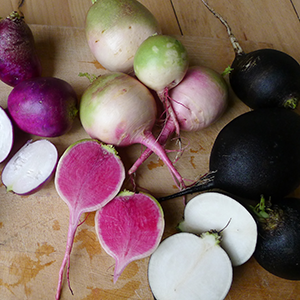
Radishes and turnips - these are also pretty interchangeable when used in salads or crudite platters. They both can be sauteed or roasted, but note that radishes take MUCH longer to roast till tender. I tend to use radishes raw, but turnips can go either way. Saute turnips with a bit of onion and or garlic. When tender, add the chopped up turnip tops, a splash of soy sauce/tamari and/or sesame oil. Top with chopped cilantro and enjoy! Don't toss the tops of either of these
Green garlic - love that the farm starts giving out garlic as green garlic in the beginning of the season - we basically receive garlic in some form the entire season. Use the entire plant - the green tops are more mild than the bulb and should not be cooked for a long time. Also green garlic tends to be milder than cured garlic, so you may want to cook it less. One interesting way to use it is to treat it like a leek and gently cook it in butter. It should be stored in a plastic bag in the fridge.
May 24, 2026
Rain Fed
by Farmer Derek
Rain Fed
by Farmer Derek
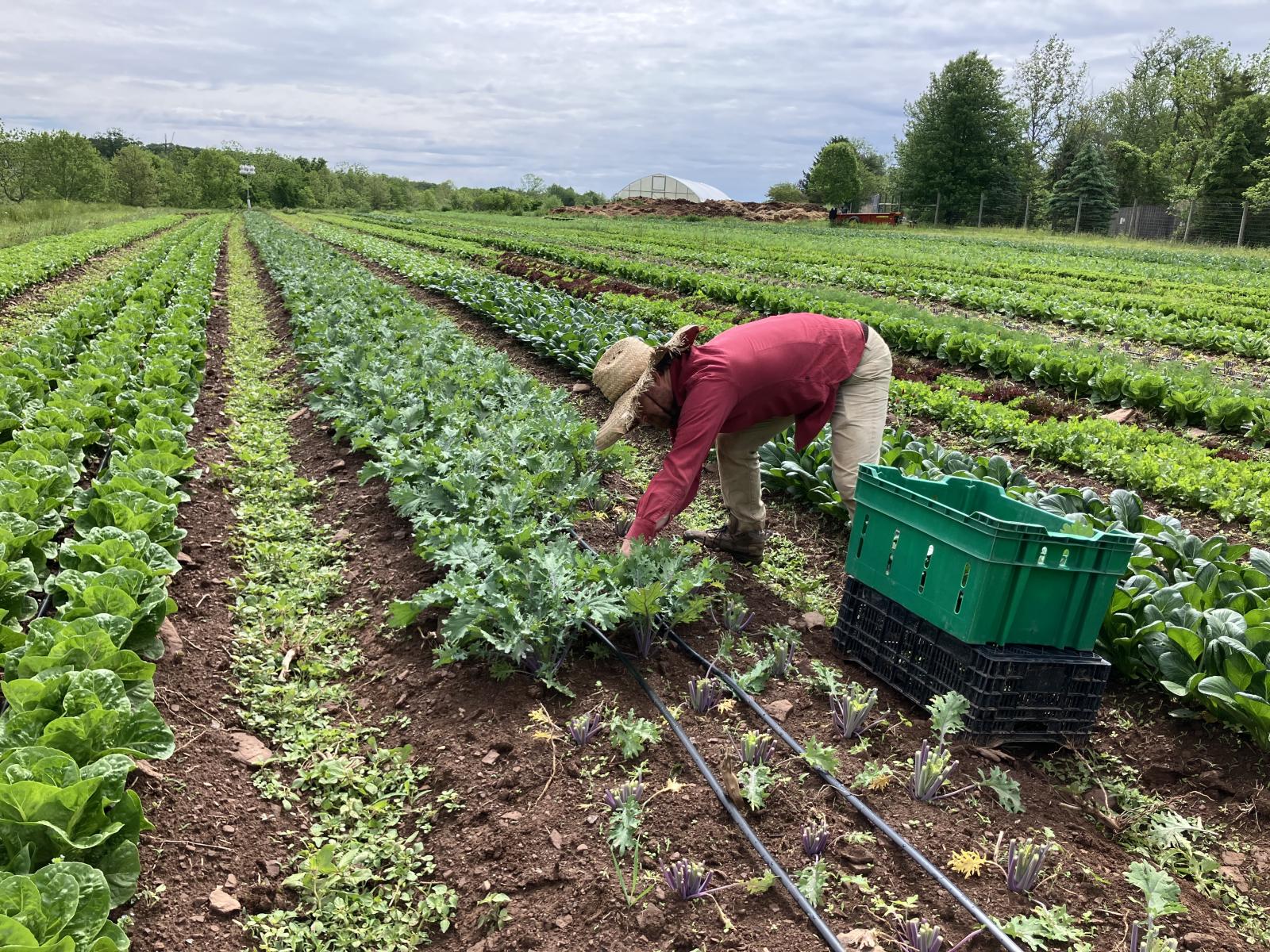
Harvesting some of the nicest field grown spring red russian kale last Friday.
Harvest #3 (Week A) should include kale, arugula, salad radishes, hakurei turnips, bok choy, dill, cilantro, green garlic, lettuce mix, head lettuce, komatsuna, and collards. Some items will be a choice.
U-pick should include labeled herbs like sage, garlic chives, oregano, catnip, lemon balm, mint, parsley, and bronze fennel (bring scissors). Strawberries are slightly behind schedule but should start ripening soon.
FYI we do our best to predict the harvest but we don't always get it 100% right.
May 24, 2026
Rain On Time
by Farmer Derek
Rain On Time
by Farmer Derek
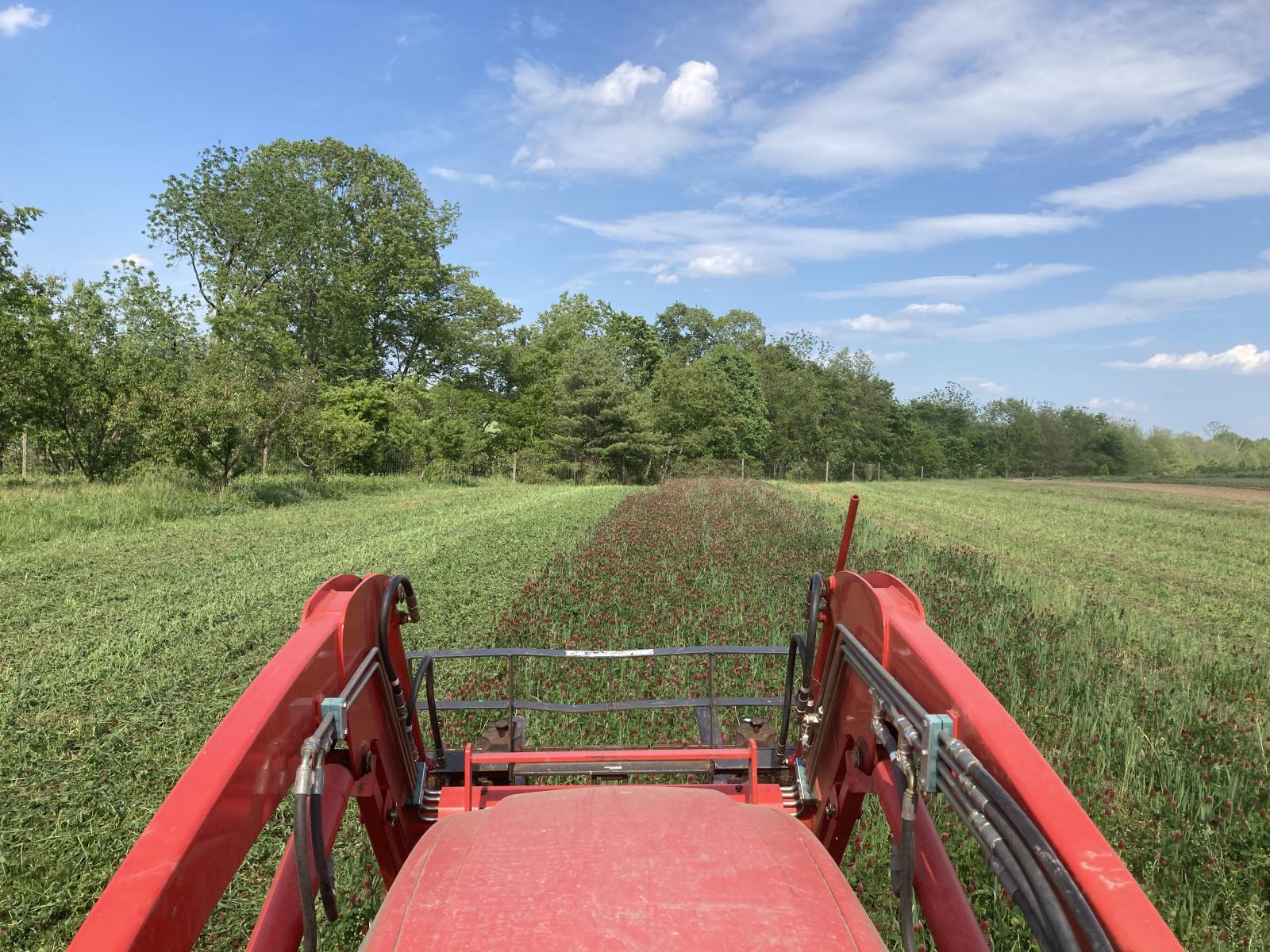
Flail mowing the last of the over-wintered cover crops (oats and crimson clover). Field is destined to become fall brassicas.
At least we won't have to irrigate for a while (outside at least)! Over three inches of rain has fallen at the farm since Wednesday, more rain than we received in all of April and the first half of May combined. Fortunately dry weather is forecast after tomorrow because we have crops that need to be planted weekly and 10,000 feet of potatoes that need to be hilled. It's kind of remarkable how we were suffering outside in the heat to start the week and ended it with a fire in the wood stove. Go figure.
It's also hard to believe we're almost a third of the way through the growing season (Mar-May, Jun-Aug, Sep-Nov) because the harvest season has only just commenced. We've been moving at what feels like a full on sprint, getting crops in the ground nonstop since late March with a slight lull just before frost-sensitive crops began their journey outside in early May. We're almost through this leg, with watermelon, cantaloupe, sweet potatoes, and another round of zucchini and cucumbers going in this week and next. After that another slight slow-down in planting before the 2027 strawberries go in at the end of June, followed by fall crops in mid-July. By June, crop maintenance is in full swing with crop trellising, weeding, cultivating, and mowing.
I hope you enjoyed the first couple harvests!
May 24, 2026
Workshifts this Week (5/25/26)
by Farmer Derek
Workshifts this Week (5/25/26)
by Farmer Derek
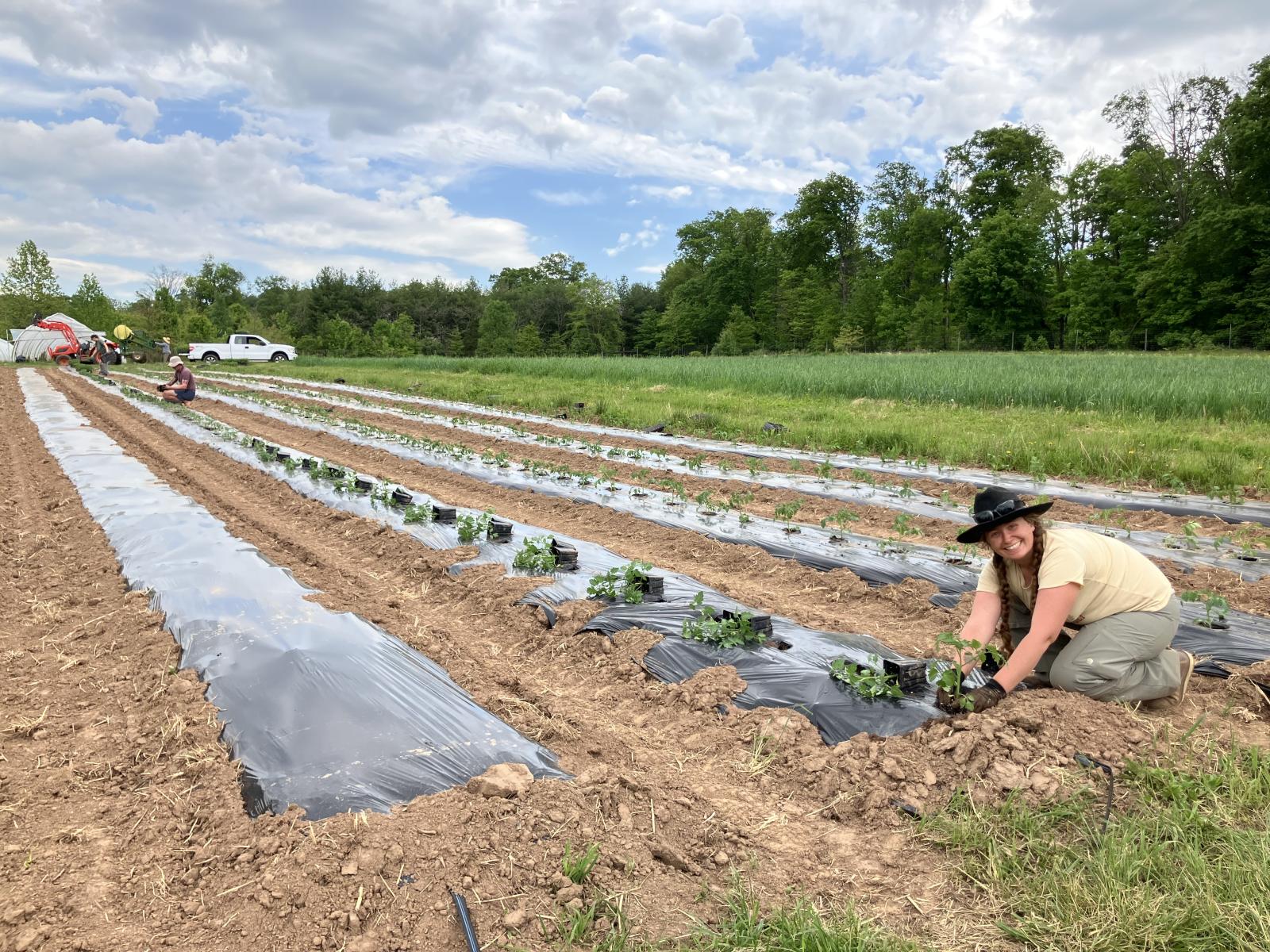
Farmer Tara and crew transplanting cherry tomatoes a couple of weeks ago.
Help us weed the carrots!
This week's workshift schedule:
- Wednesday 5/27 9-11am
- Wednesday 5/27 6-8pm
- Friday 5/29 9-11am
- Sunday 5/31 8-10am
Bring gloves, water, a hat, sturdy shoes, and a pad for kneeling (if necessary for you).
We meet under the large red maple at the end of the barn by the pick up room.
Please be there by the scheduled start time (it might be hard to find us in the fields otherwise).
May 24, 2026
"Now What?!" Workshop
by Gia Yaccarino
"Now What?!" Workshop
by Gia Yaccarino

Hosted by longtime member Gia Yaccarino on Saturday 6/6, Sunday 6/7, Saturday 6/13, and Sunday 6/14, all at 11 am.
Please sign up on the website here if you are planning to attend!
Maybe you are a new member, maybe you’ve been a member for a while. Either way – this workshop is for you!
In the barn, everything made sense while you were putting your share into your bags to bring home. At home, it suddenly became very overwhelming once you began unpacking! We have all been there; it is part of the CSA learning curve.
Let us help you make the most of your farm share!
Being a member of a CSA opens the door to so many topics! At this workshop we will talk about:
- Resources: books, websites, Anchor Run CSA website (Recipes and Veggies 202 – it has pictures)
- How to keep your veggies as fresh as possible once they are in your refrigerator.
- The pros and cons of different preservation techniques (freezing, fermenting, canning, dehydrating).
- “Tools of the trade”, which I find invaluable.
- Before you compost: radish greens are edible!
- Composting, composting at the farm; what and what not to include in a compost pile, vermicomposting.
- Solar Cooking.
- How to keep your veggies as fresh as possible once they are in your refrigerator.
- The pros and cons of different preservation techniques (freezing, fermenting, canning, dehydrating).
- “Tools of the trade”, which I find invaluable.
- Before you compost: radish greens are edible!
- Composting, composting at the farm; what and what not to include in a compost pile, vermicomposting.
- Solar Cooking.
We will share recipes based on farm produce that our families love. And by share – I mean taste and provide copies of the recipes. Pestos - don’t limit yourself to Basil. What to do with all those greens? Veggie Hash! The list goes on! This is a casual, enlightening event that will enhance your experience of the CSA. Hope to see you there!
May 18, 2026
Heat Sweetened
by Farmer Derek
Heat Sweetened
by Farmer Derek
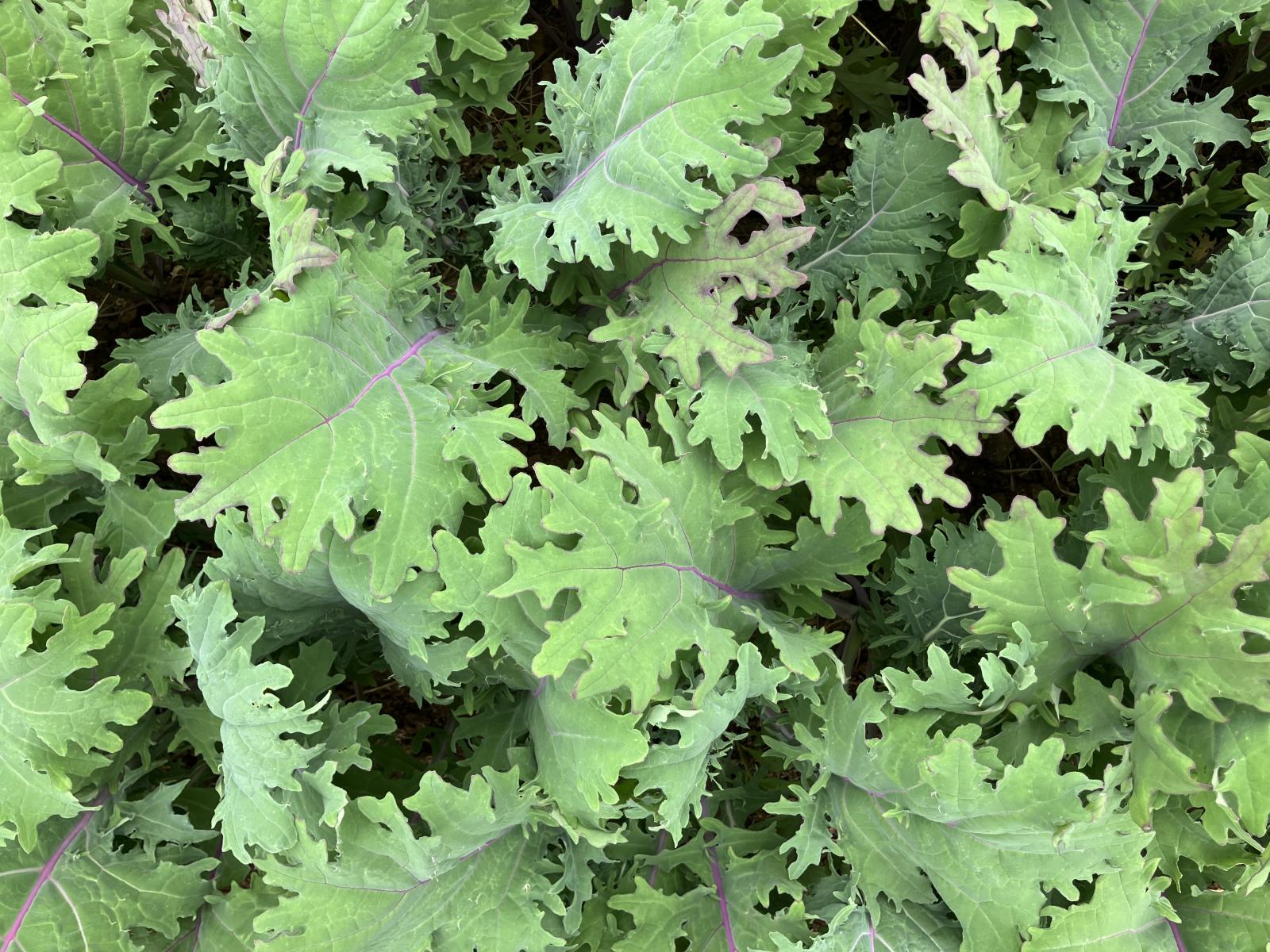
Red Russian kale in the caterpillar tunnel.
Harvest #2 (Week B) should include kale, arugula, salad radishes, bok choy, dill, green garlic, lettuce mix, komatsuna, collards, and storage roots (rutabaga, purple daikons, watermelon radishes). Some items will be a choice.
U-pick should include labeled herbs like sage, garlic chives, oregano, catnip, lemon balm, mint, and bronze fennel (bring scissors).
FYI we do our best to predict the harvest but we don't always get it 100% right.
May 18, 2026
That Summer Feeling Returns
by Farmer Derek
That Summer Feeling Returns
by Farmer Derek
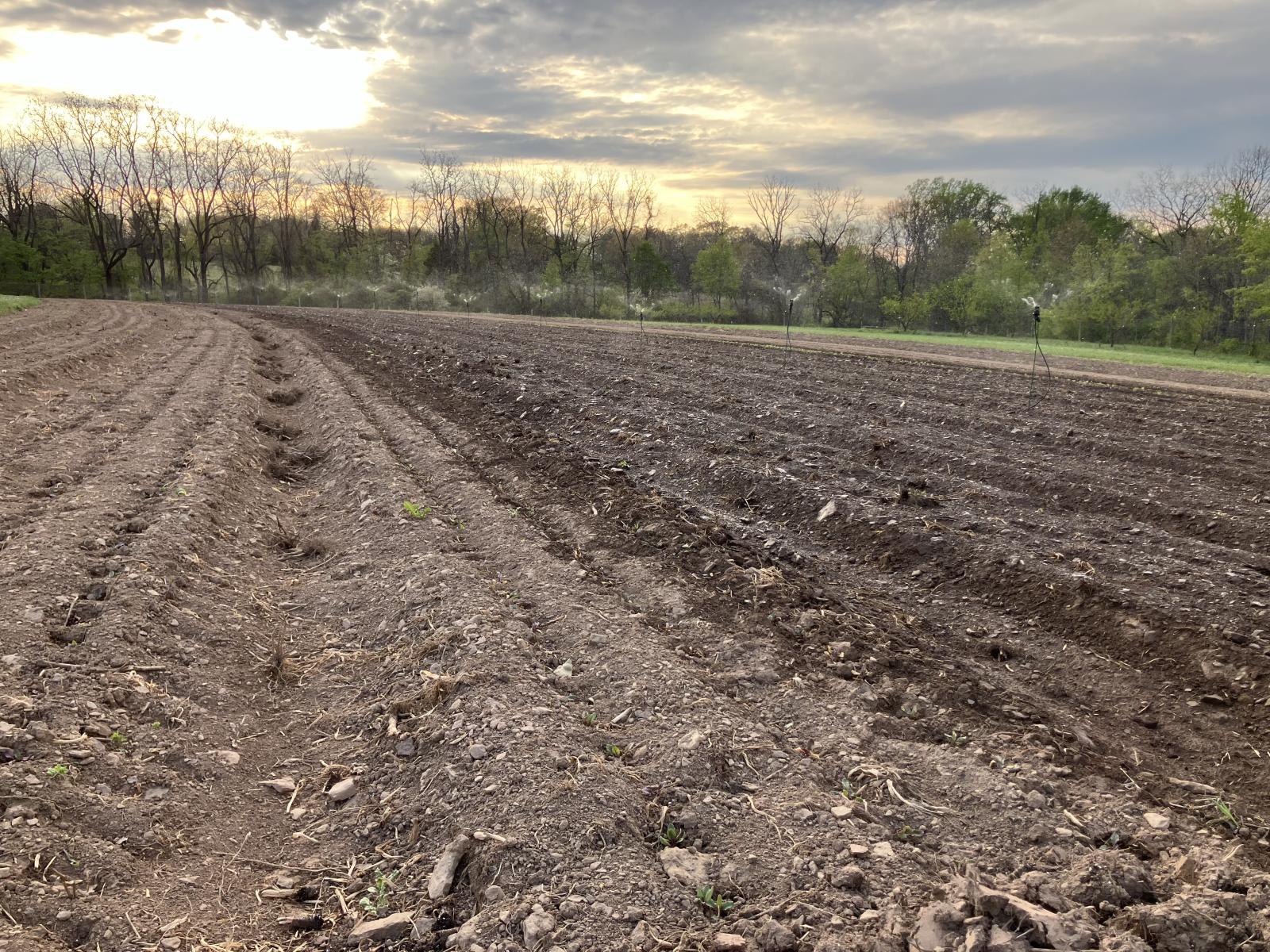
Running micro-sprinklers on newly sown carrots a little while ago. They received another well-water drink today.
I'm pretty sure we're now safely past the frost-is-over date. With temperatures in the mid-90s forecast to start the week, it's hard to imagine a return to nights in the 30s this late in May. But you never know these days. We had some fun extremes in April but either way we're assuming we're good and have transplanted frost-sensitive crops aplenty over the past couple of weeks. Sweet and hot peppers, eggplant, zucchini, cucumbers, tomatillos, cherry tomatoes, flowers, and basil have all been planted outside. This week, we'll probably transplant another round of zucchini and cucumbers, as well as winter squash, pumpkins, and watermelon.
Along with the heat, it seems we're stuck in a dry spell, at least until later this week (we'll see). Regardless, our assumption is the rain will miss us and we've been cycling through rounds of irrigation and continuously setting it up where needed. Hopefully by tomorrow morning everything will have had a drink.
This week we welcome Week B Half Shares to the farm. I hope you enjoy the harvest!
May 18, 2026
Pick Up Essentials
by Farmer Dana
Pick Up Essentials
by Farmer Dana
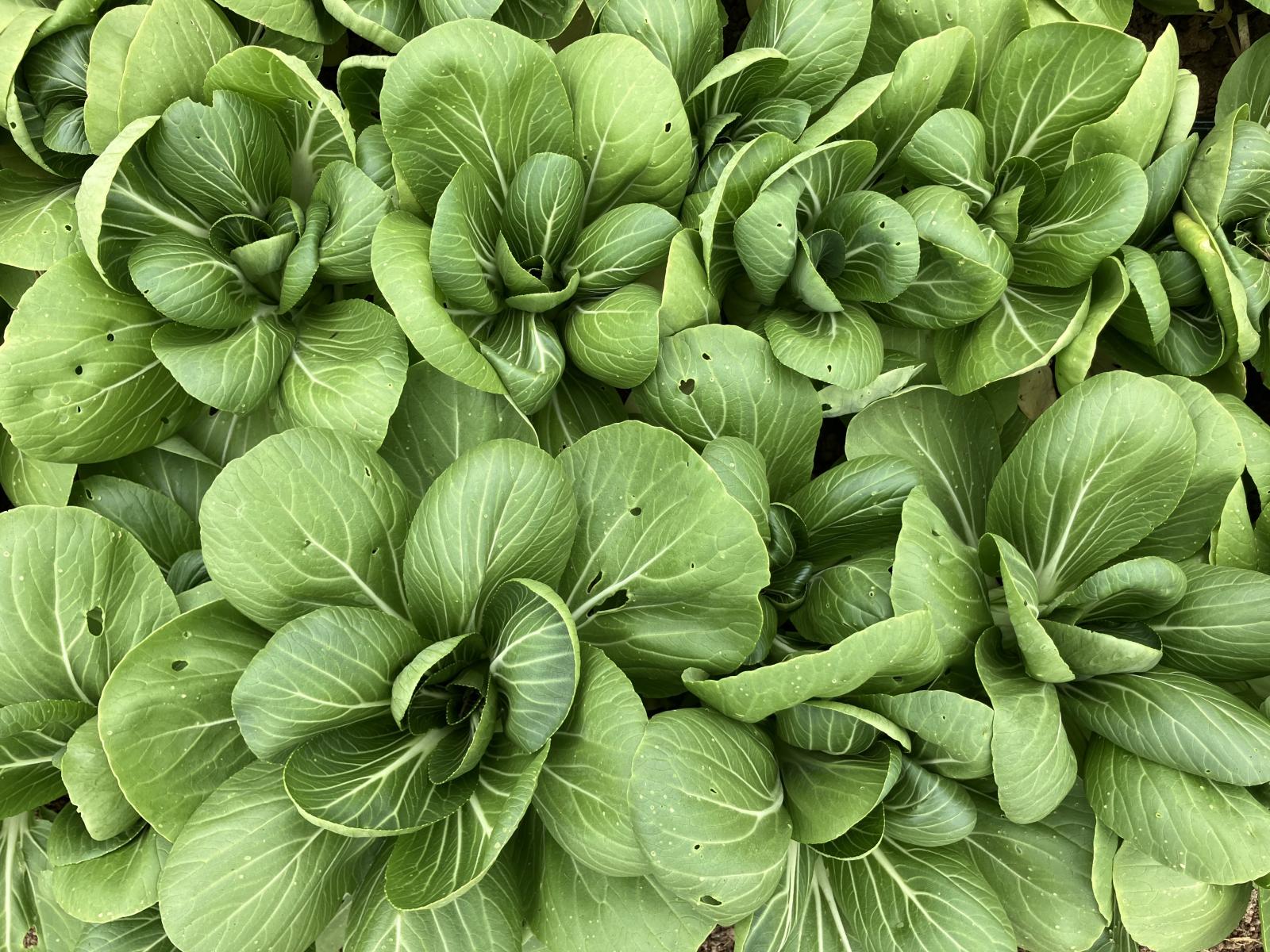
Bok choy, pak choi, pok choy, bak choi, a friendly green grown in the spring.
- BYO baskets/bags/boxes to bring your harvest home. Sometimes we have donated shopping bags on hand to pack your shares in, but sometimes we don’t! (Also, our produce is not packaged in any way, so bringing your own bags is important if you want produce kept separate within a larger container. This is a small way we can reduce farm plastic waste. One member let us know that their plastic waste is reduced by half when they are picking up shares from the farm - great news!)
- Check off your name on the sign-in sheet before collecting your share from the barn. Organized by share size and alphabetically by last name.
- Follow harvest amounts written on the chalk boards labeled with your share size (full, half, medium).
- If you need help with anything please feel free to ask a Farm Staffer in the barn for help at anytime!
- Parking is available in the large stone lot at the end of the driveway. Parking next to the barn is available for people with physical challenges and for cars with sleeping kids.
- Driveway speed limit is 10 mph! Thank you in advance for keeping our farm safe for members, kids, farmers and animals that are out and about.
May 18, 2026
U-Pick Information
by Farmer Dana
U-Pick Information
by Farmer Dana
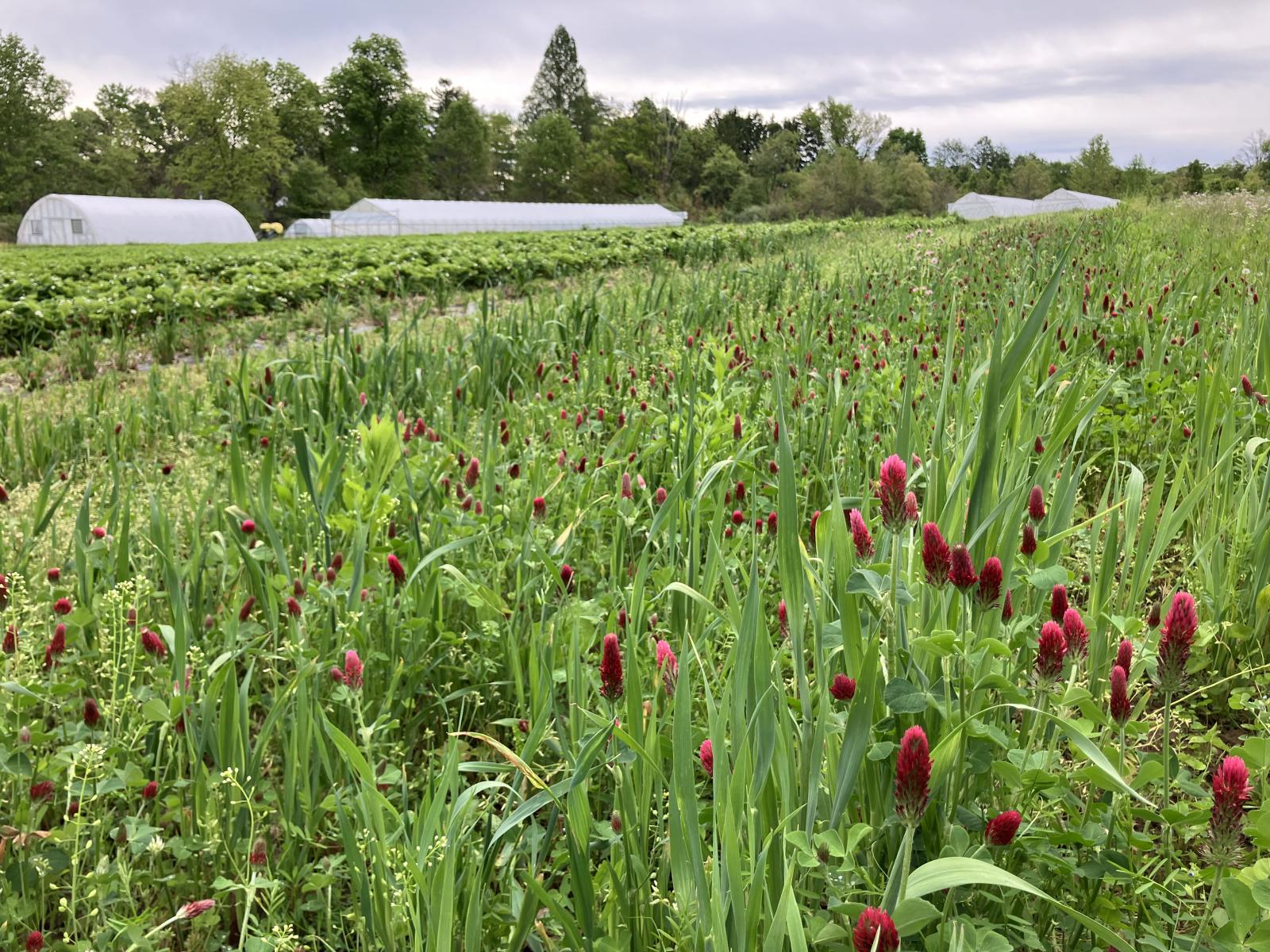
Oats and crimson clover cover crop above the strawberry patch in Field 1.
**U-pick crops for the first couple of weeks will just be labeled herbs in the herb garden. Strawberries and peas most likely won't start until the end of May.**
- Check the u-pick board in the hallway for u-pick crops and amounts before picking. Amounts listed are per share.
- Only crops listed on the board are available for u-pick.
- U-pick crops and weekly allotments can be harvested any day of the week, 8am–8pm, Monday through Sunday of your pick up week. So if you can’t do your u-pick on your scheduled pick up day, feel free to come back any other day that week.
- BYO scissors for herbs and flowers.
- We provide half-pint, pint, and quart u-pick baskets for members to measure and harvest into. Please save these and reuse them as much as possible. If you have some that are still in good shape at the end of the season we'll gladly accept them back.
May 18, 2026
Pick Up Days and Times Plus Farm Communication
by Farmer Dana
Pick Up Days and Times Plus Farm Communication
by Farmer Dana
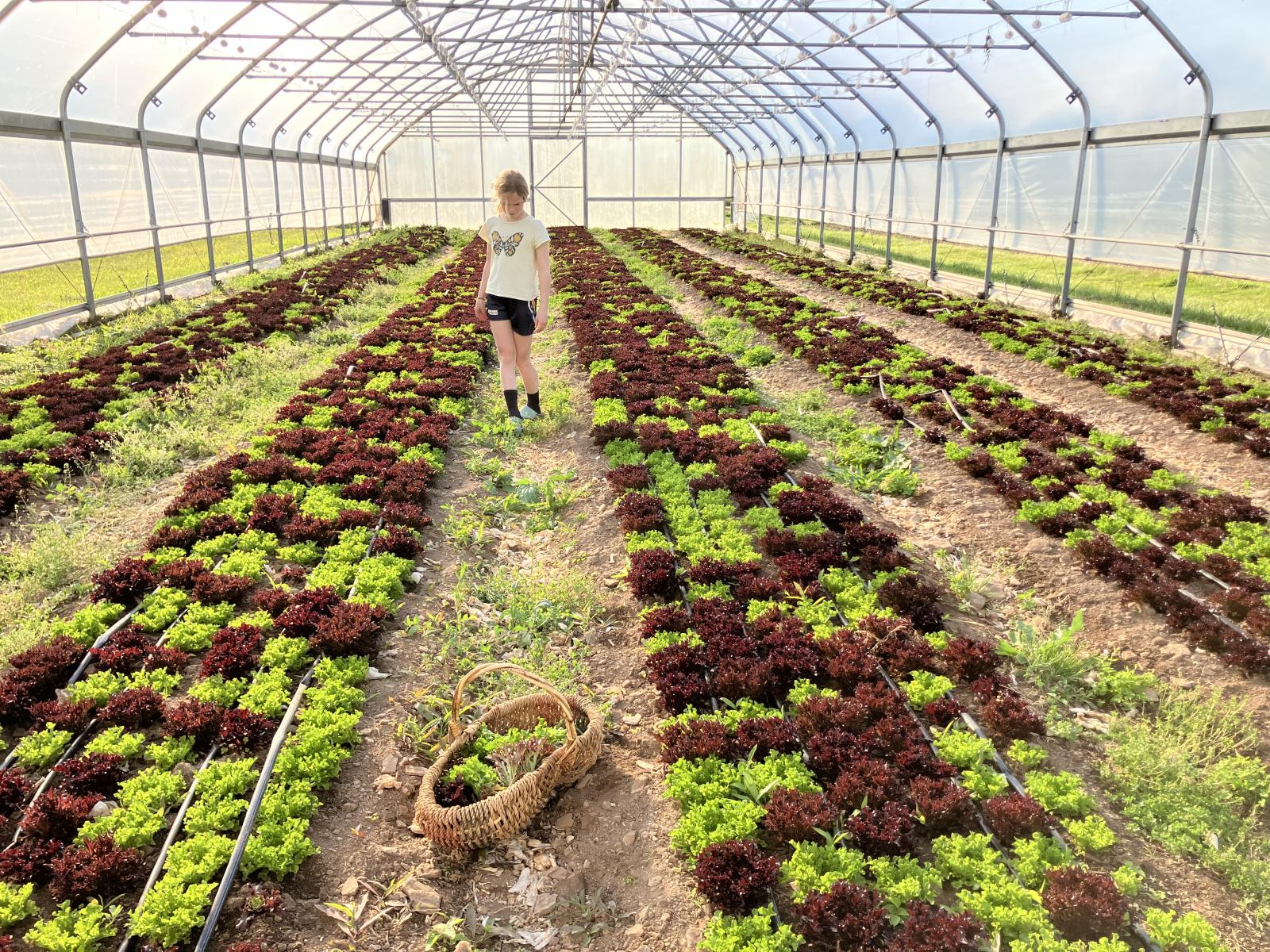
Alternating green and red lettuce for our custom mix in the high tunnel.
- Pick up days are Tuesdays 1-8pm, Thursdays 1-8pm, and Saturdays 9am–12pm. You're assigned a permanent pick up day but you may temporarily switch to a different day or week.
**Please note there is usually a rush right at 1 pm on Tue/Thu. If you're looking to avoid a crowd, consider the 3 o'clock hour.**
- If you need to temporarily switch your pick up day and/or week, please email us by 5pm Monday prior to your pick up day.
- After each pick up we'll look at the sign in sheets and if your name is not checked off we will contact you to see if you did miss pick up and want to reschedule.
- We sent an email this past Friday informing you of your designated pick up day and week. Please email us if you did not receive it. It was sent to the primary account holder's email address. If you did not receive it in your inbox, check spam or another folder. It's a good idea to make sure our emails end up in a place you'll notice them since this is how we communicate farm information, events, etc.
- You can log in and view your information on your members page, including share size, pick up day, work history, and balance.
May 18, 2026
A Note On Storage
by Farmer Dana
A Note On Storage
by Farmer Dana
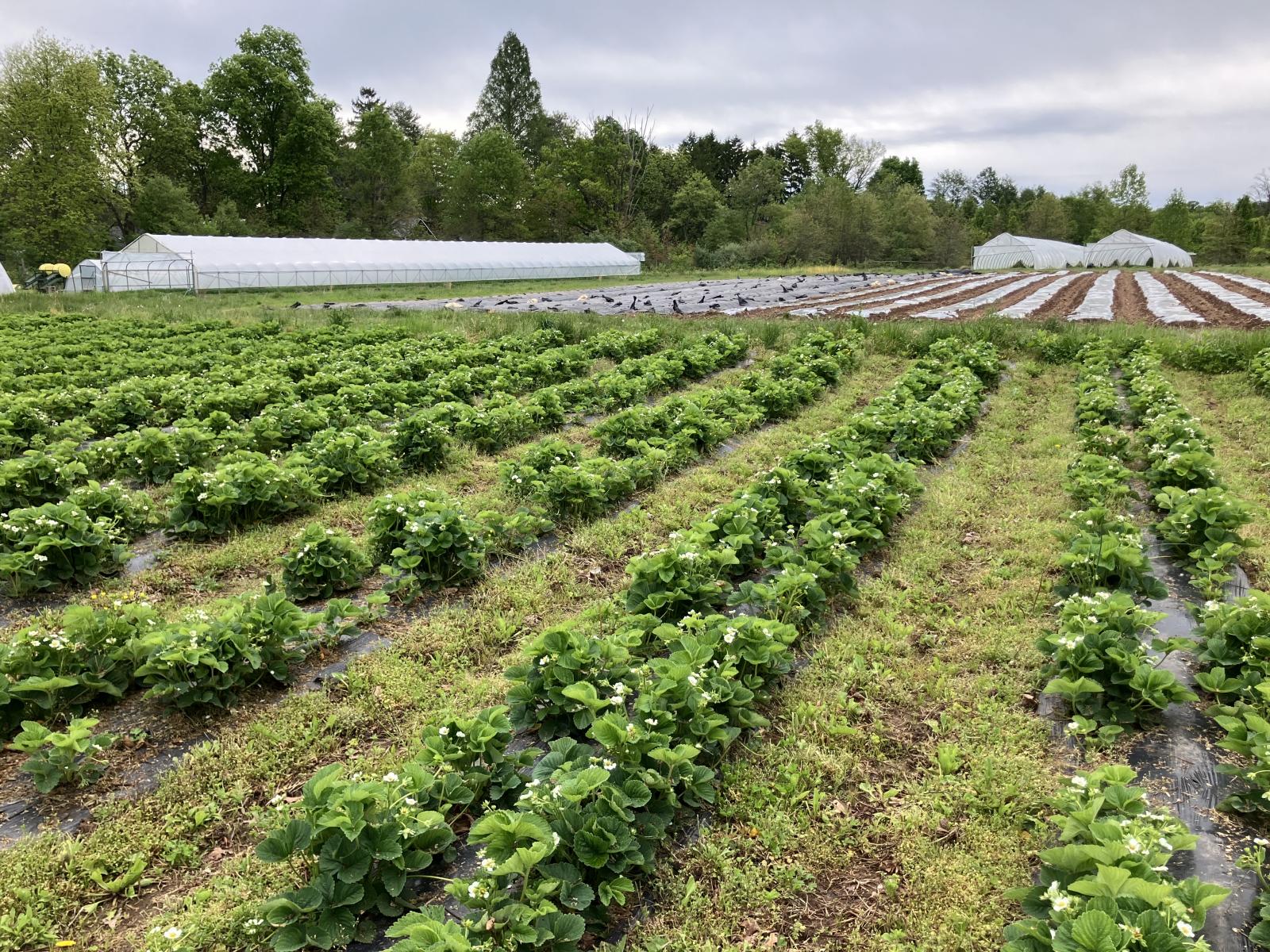
Strawberries in foreground and future cherry tomatoes and tomatillos (and maybe husk cherries) in background.
Over the years many members have asked about the best way to store farm veggies.
For greens, we find that keeping them in large plastic bags in the fridge (away from colder micro climates that might freeze) works great. Our favorite bags to use are 2 gallon ziplock-type bags, rinsed and dried between uses. Make sure the greens aren't sopping wet before you stow them. Adding a paper towel also helps.
Fresh herbs can also be stored this way, with the exception of basil which likes to be treated like a fresh bouquet of flowers, in a jar of water on the counter at room temperature. For the rest of the veggies you'll receive these first few harvests, the aforementioned bag method also works. Would love to hear about any veggie storage successes you might have had, please send an email if you'd like to share!
May 11, 2026
Fresh Start
by Farmer Derek
Fresh Start
by Farmer Derek
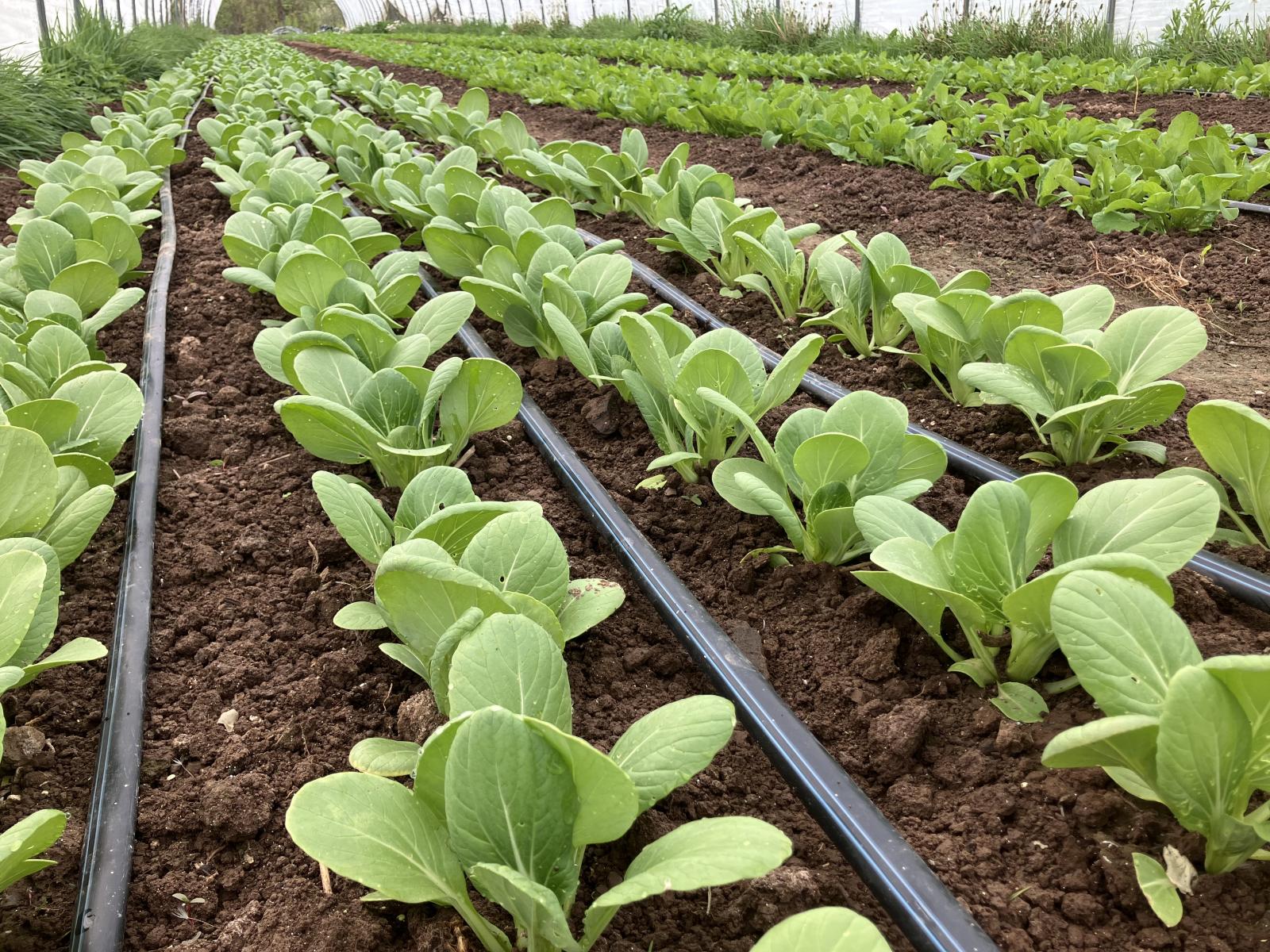
Baby bok choy growing under cover a couple of weeks ago.
Harvest #1 (Week A) should include kale, arugula, salad radishes, bok choy, dill, green garlic, lettuce mix, and storage roots (rutabaga, purple daikons, watermelon radishes). Some items will be a choice.
U-pick should include labeled herbs like sage, garlic chives, oregano, catnip, anise hyssop, mint, and bronze fennel (bring scissors).
FYI we do our best to predict the harvest but we don't always get it 100% right.
May 11, 2026
Staying Very Busy
by Farmer Derek
Staying Very Busy
by Farmer Derek
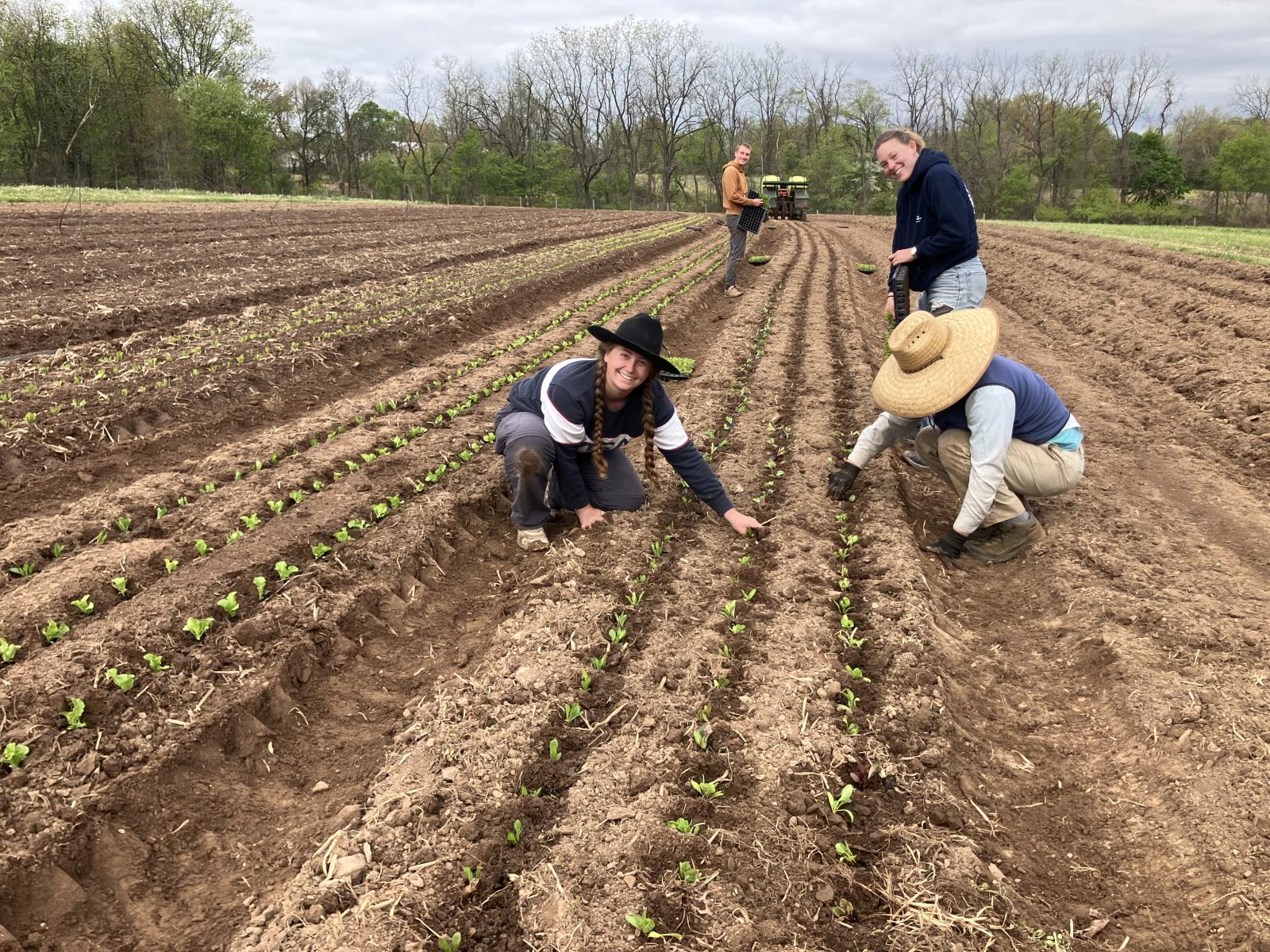
Transplanting a multitude of crops recently.
We're excited to begin harvesting and sharing produce with you this week!
This has been an interesting spring, weather-wise, to say the least. Every growing season has its unique set of weather related challenges and almost always there seems to be a new 'first time'. This late winter and early spring we had the pleasure of experiencing alternating record cold and heat in multiple waves. Fortunately for us as vegetable growers, we didn't sustain any extreme lasting damage like fruit growers did, though for sure our outdoor crops were shocked and slightly damaged by the mid-20s dip following four or five days near 90 degrees. Since then they've put on new growth and are appreciative of the more 'normal' spring weather we've had over the past couple of weeks. We're fortunate to have four tunnels for season extension and crops in there have weathered the weather just fine.
May 11, 2026
Pick Up Essentials
by Farmer Dana
Pick Up Essentials
by Farmer Dana
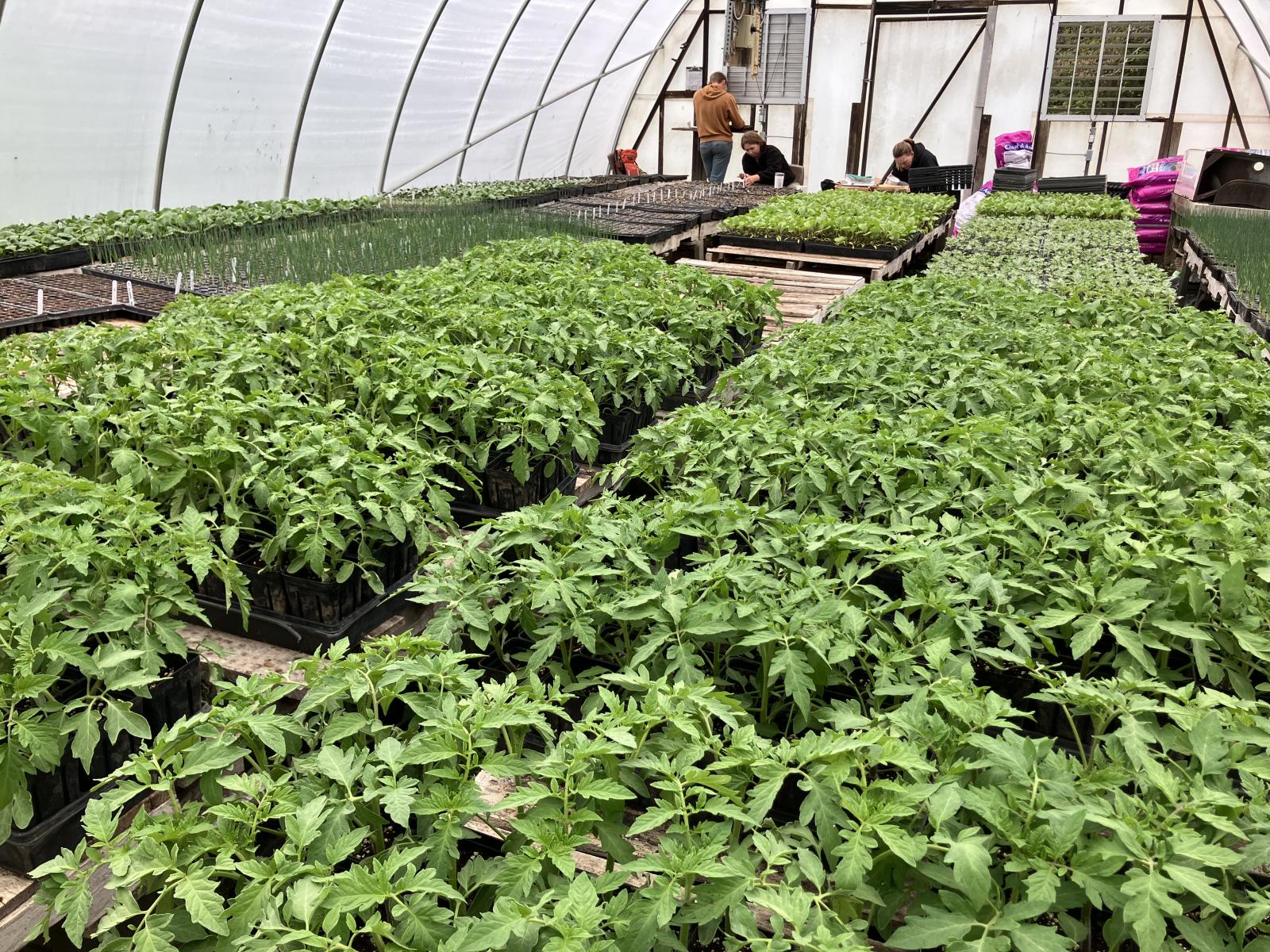
Seeding in the greenhouse behind tomatoes almost ready for transplant.
- BYO baskets/bags/boxes to bring your harvest home. Sometimes we have donated shopping bags on hand to pack your shares in, but sometimes we don’t! (Also, our produce is not packaged in any way, so bringing your own bags is important if you want produce kept separate within a larger container. This is a small way we can reduce farm plastic waste. One member let us know that their plastic waste is reduced by half when they are picking up shares from the farm - great news!)
- Check off your name on the sign-in sheet before collecting your share from the barn. Organized by share size and alphabetically by last name.
- Follow harvest amounts written on the chalk boards labeled with your share size (full, half, medium).
- If you need help with anything please feel free to ask a Farm Staffer in the barn for help at anytime!
- Parking is available in the large stone lot at the end of the driveway. Parking next to the barn is available for people with physical challenges and for cars with sleeping kids.
- Driveway speed limit is 10 mph! Thank you in advance for keeping our farm safe for members, kids, farmers and animals that are out and about.
May 11, 2026
U-Pick Information
by Farmer Dana
U-Pick Information
by Farmer Dana
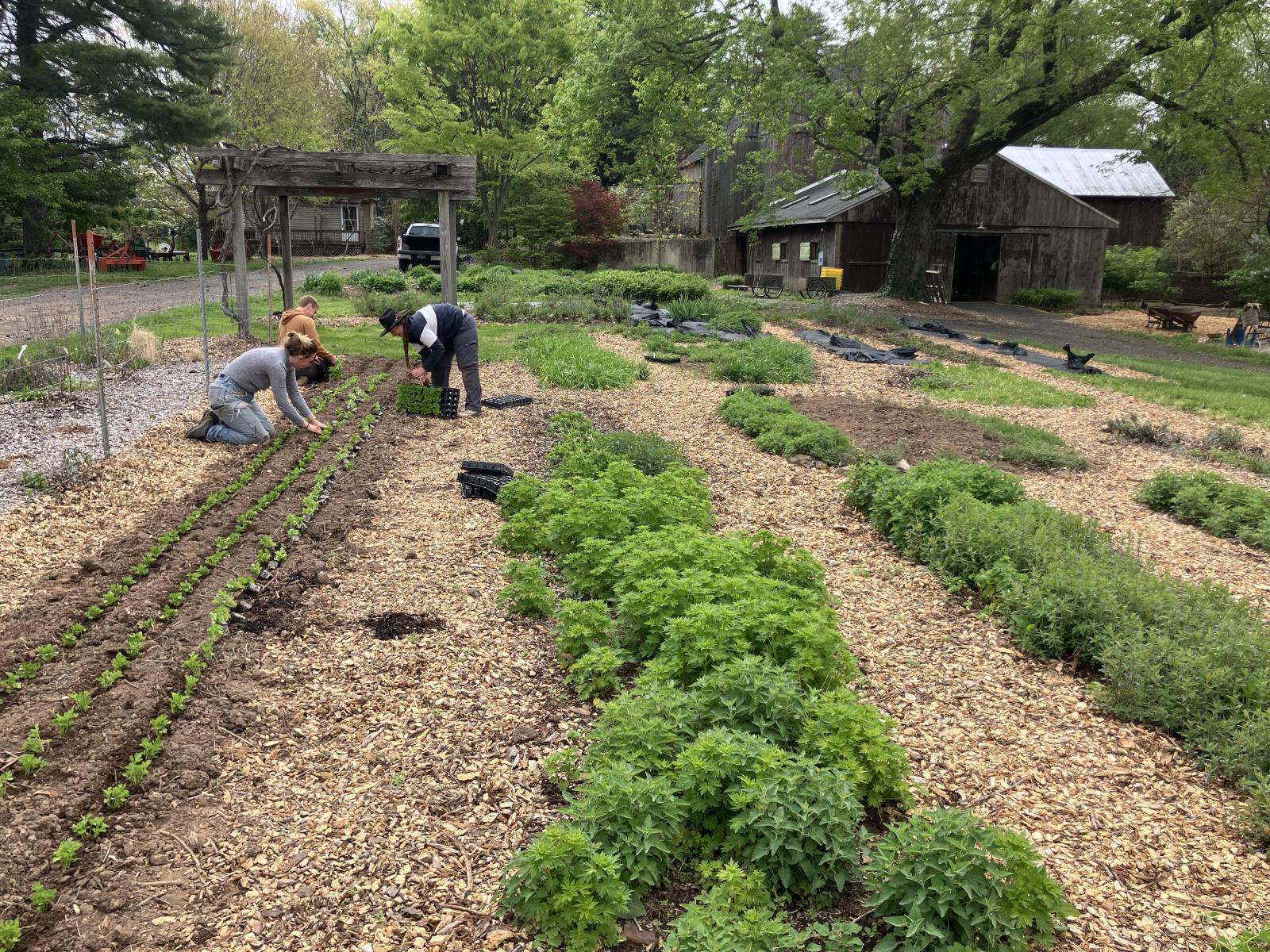
Transplanting parsley a couple of weeks ago into the u-pick herb garden. Annual herbs like parsley aren't ready for cutting just yet but plenty of perennials are, like garlic chives, oregano, catnip, mint, and more (they'll be labeled).
**U-pick crops for the first couple of weeks will just be labeled herbs in the herb garden. Strawberries and peas most likely won't start until the end of May.**
- Check the u-pick board in the hallway for u-pick crops and amounts before picking. Amounts listed are per share.
- Only crops listed on the board are available for u-pick.
- U-pick crops and weekly allotments can be harvested any day of the week, 8am–8pm, Monday through Sunday of your pick up week. So if you can’t do your u-pick on your scheduled pick up day, feel free to come back any other day that week.
- BYO scissors for herbs and flowers.
- We provide half-pint, pint, and quart u-pick baskets for members to measure and harvest into. Please save these and reuse them as much as possible. If you have some that are still in good shape at the end of the season we'll gladly accept them back.
May 11, 2026
Pick Up Days and Times Plus Farm Communication
by Farmer Dana
Pick Up Days and Times Plus Farm Communication
by Farmer Dana
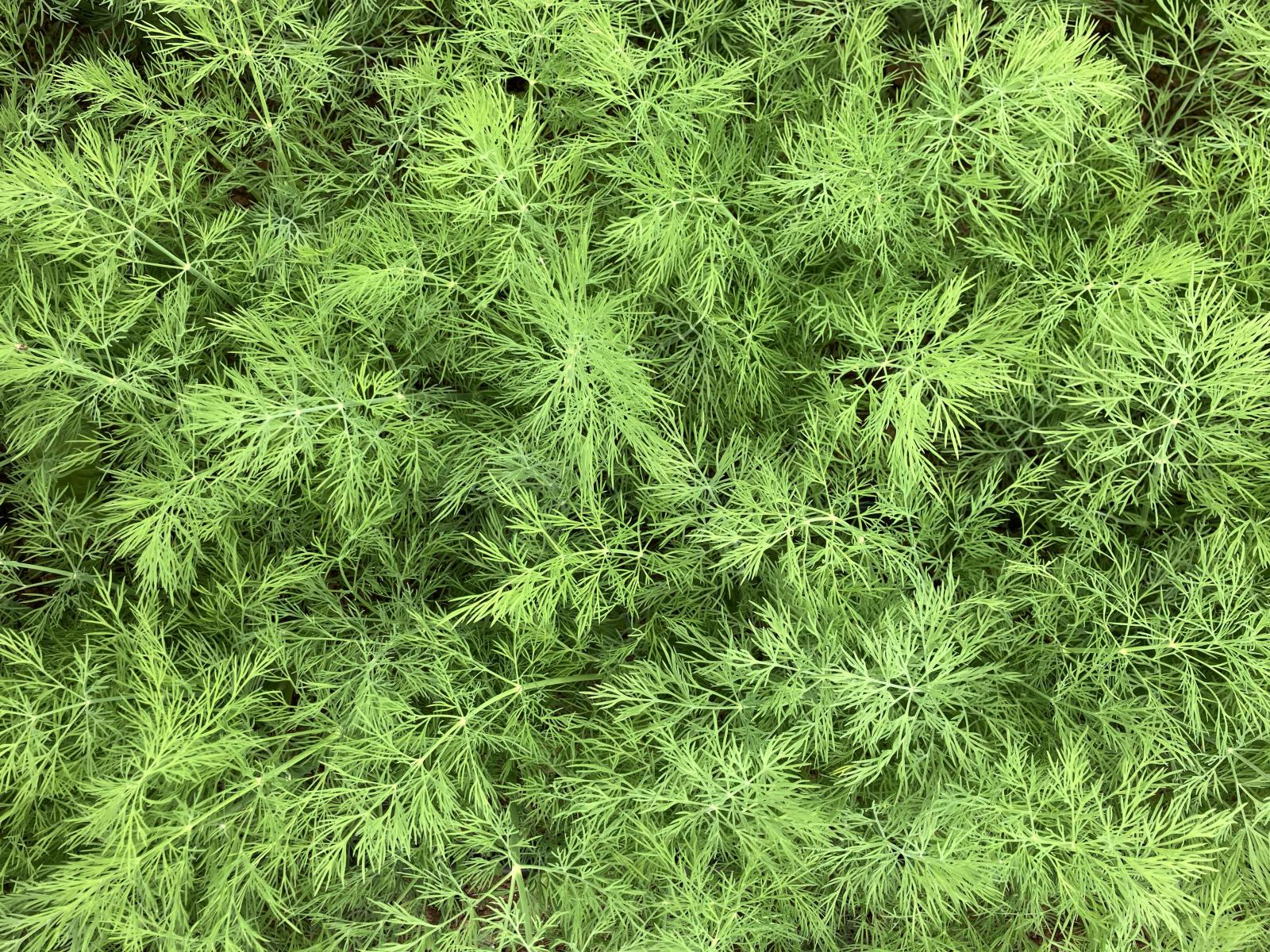
Dill, outpacing the growth of other herbs this spring, should be in shares for a while!
- Pick up days are Tuesdays 1-8pm, Thursdays 1-8pm, and Saturdays 9am–12pm. You're assigned a permanent pick up day but you may temporarily switch to a different day or week.
**Please note there is usually a rush right at 1 pm on Tue/Thu. If you're looking to avoid a crowd, consider the 3 o'clock hour.**
- If you need to temporarily switch your pick up day and/or week, please email us by 5pm Monday prior to your pick up day.
- After each pick up we'll look at the sign in sheets and if your name is not checked off we will contact you to see if you did miss pick up and want to reschedule.
- We sent an email this past Friday informing you of your designated pick up day and week. Please email us if you did not receive it. It was sent to the primary account holder's email address. If you did not receive it in your inbox, check spam or another folder. It's a good idea to make sure our emails end up in a place you'll notice them since this is how we communicate farm information, events, etc.
- You can log in and view your information on your members page, including share size, pick up day, work history, and balance.
May 11, 2026
A Note On Storage
by Farmer Dana
A Note On Storage
by Farmer Dana
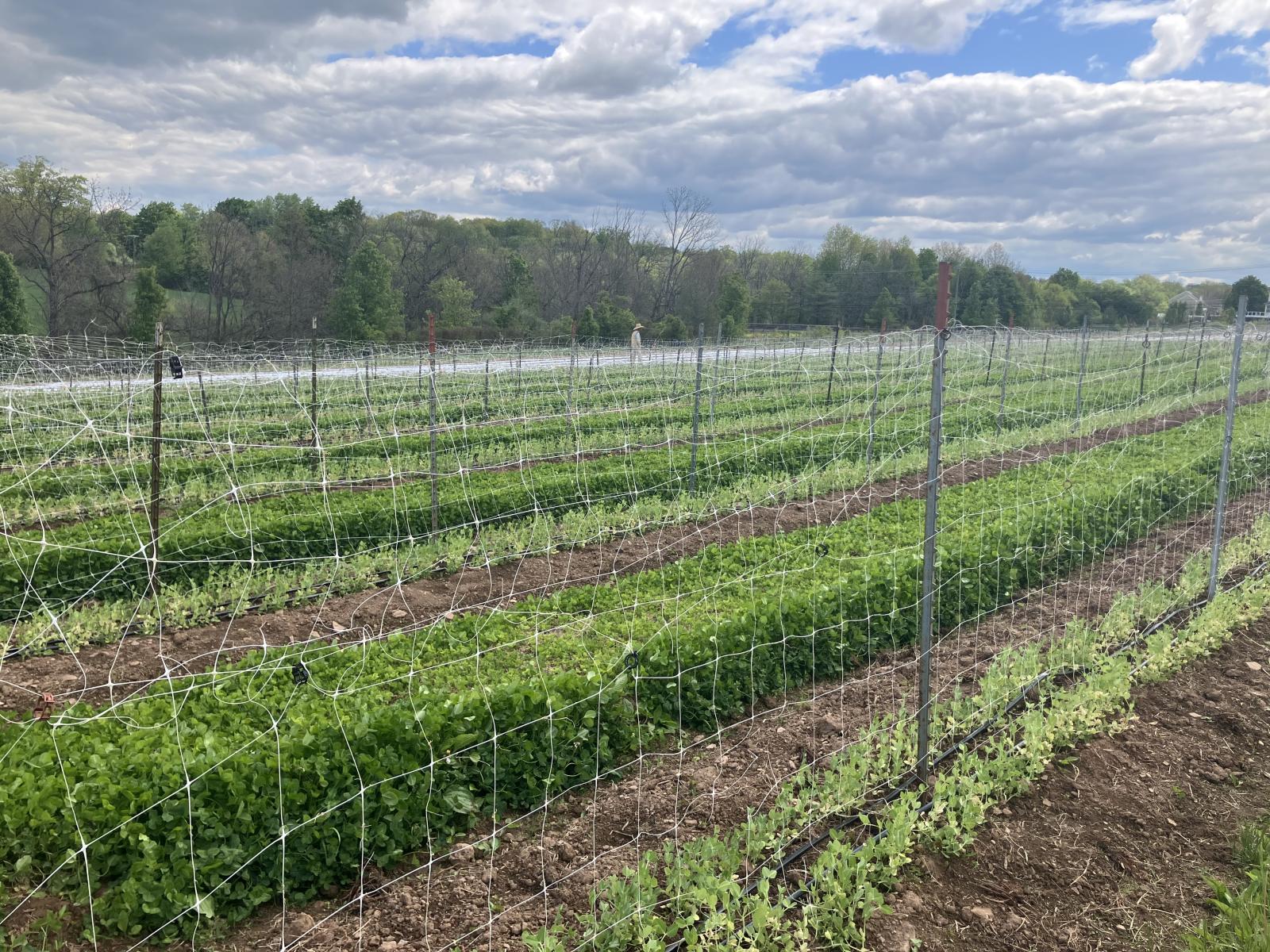
Snow and sugar snap peas took a beating from the extreme cold but have responded well in recent weeks, putting on vibrant new growth.
Over the years many members have asked about the best way to store farm veggies. For greens, we find that keeping them in large plastic bags in the fridge (away from colder micro climates that might freeze) works great. Our favorite bags to use are 2 gallon ziplock-type bags, rinsed and dried between uses. Fresh herbs can also be stored this way, with the exception of basil which likes to be treated like a fresh bouquet of flowers, in a jar of water on the counter at room temperature. For the rest of the veggies you'll receive these first few harvests, the aforementioned bag method also works. Would love to hear about any veggie storage successes you might have had, please send an email if you'd like to share!
SEARCH NEWS ITEMS
POSTS BY TYPE
POSTS BY MONTH
Contact us:
215-598-7040 |
anchorruncsa@gmail.com


Anchor Run CSA
| 2578 Second Street Pike
, Wrightstown, PA 18940
215-598-7040 |
anchorruncsa@gmail.com
Anchor Run CSA
| 2578 Second Street Pike
, Wrightstown, PA 18940

©2026 Anchor Run CSA
powered by shelterCMS